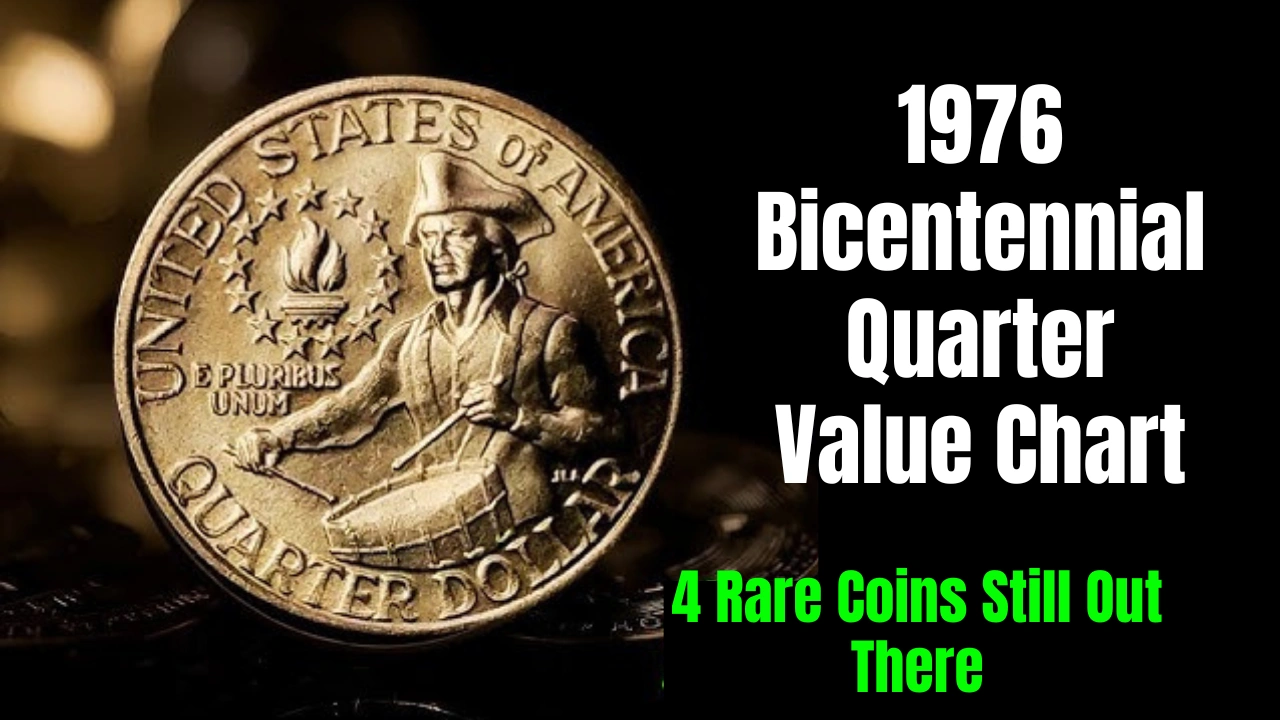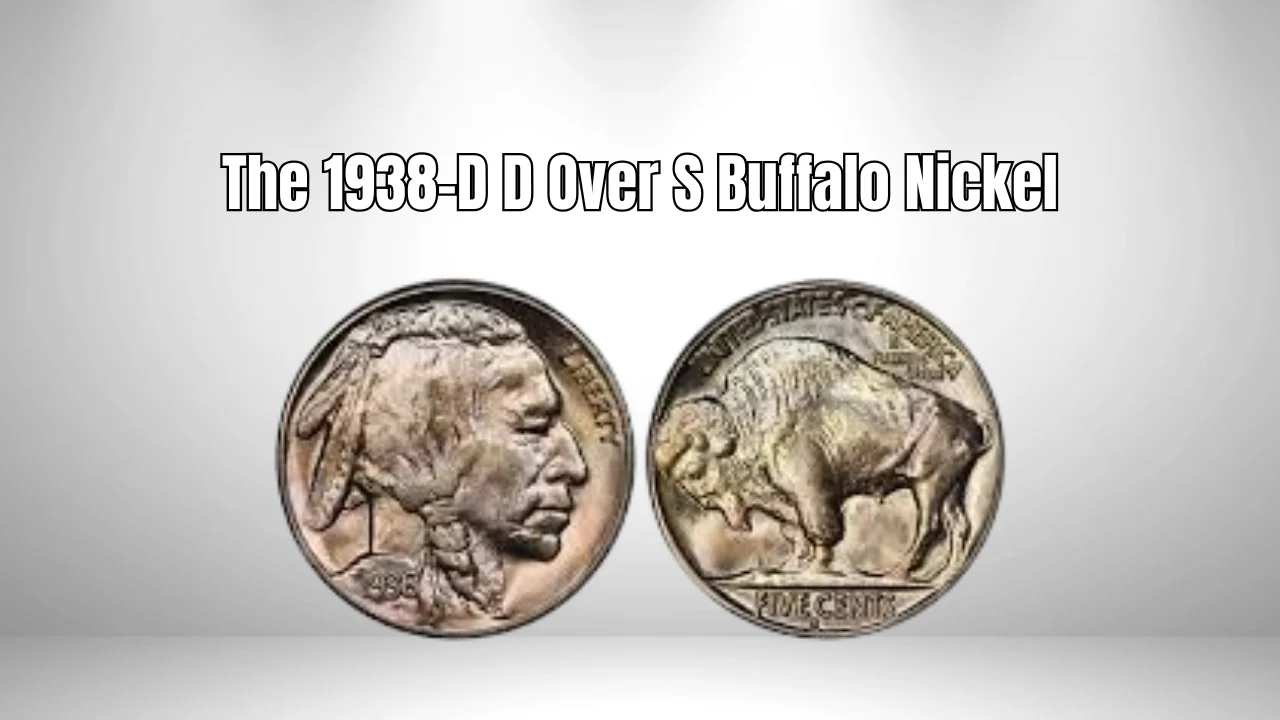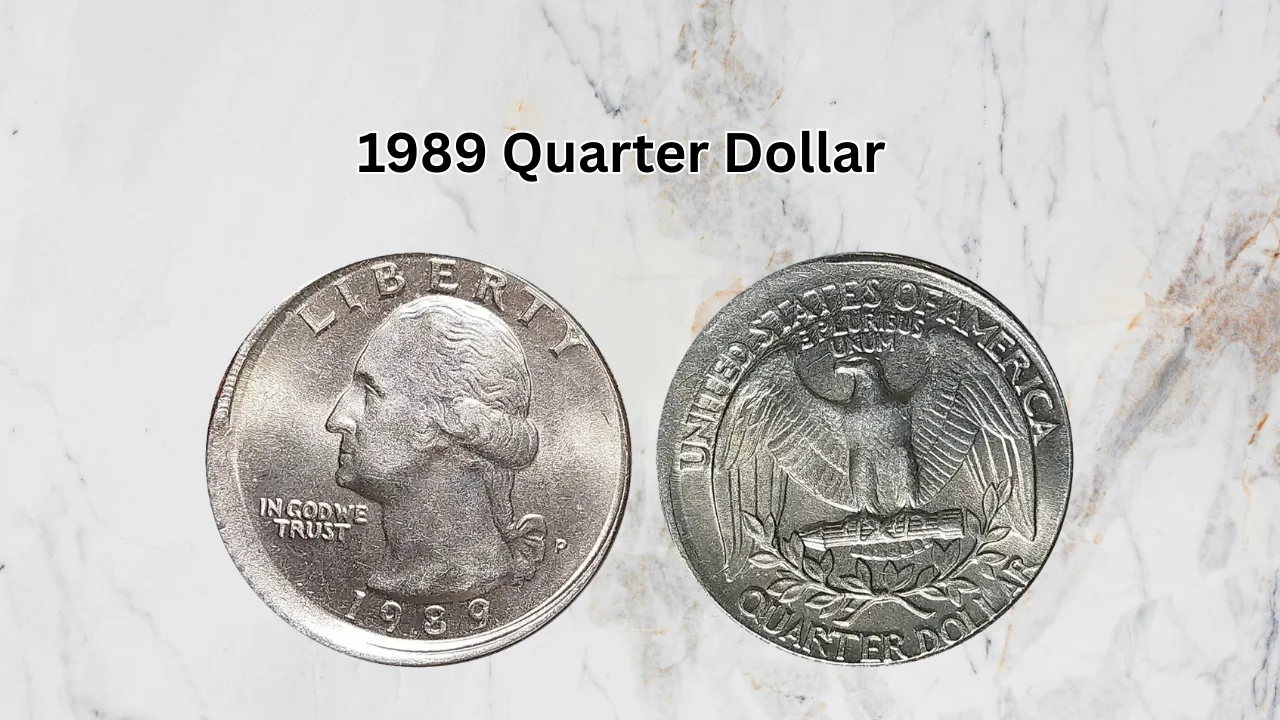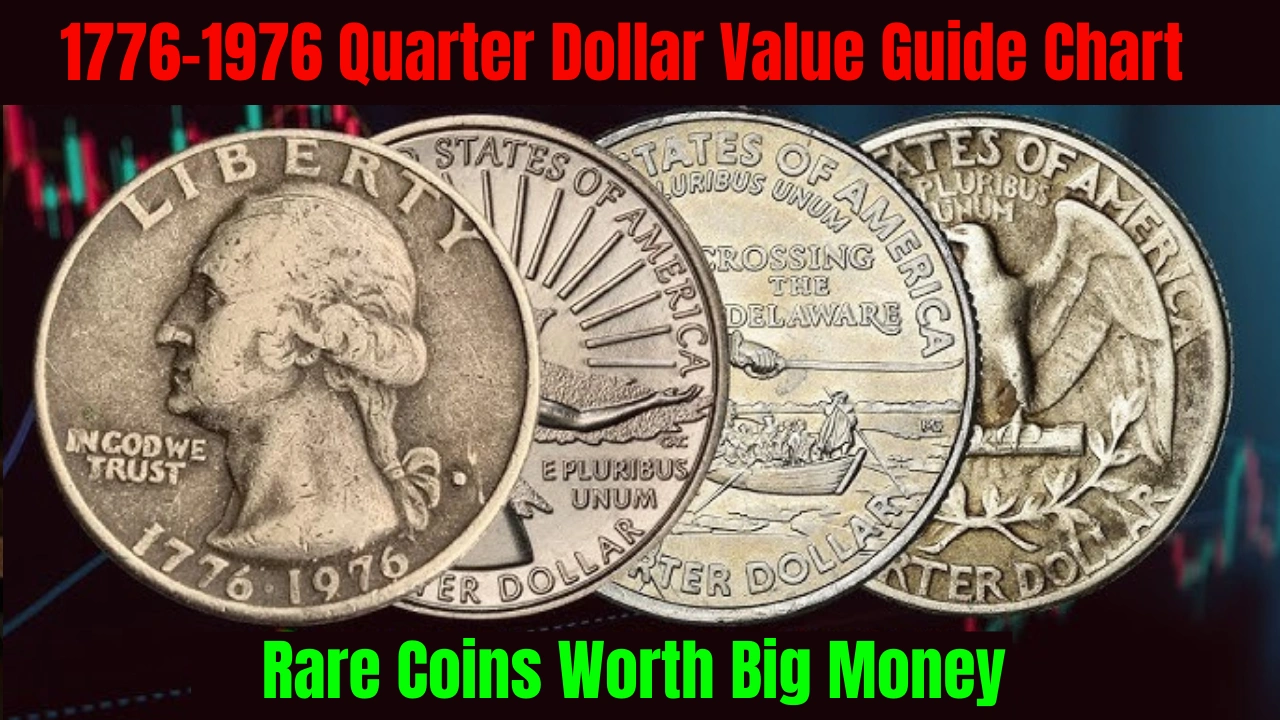
The 1776–1976 Quarter Dollar Value has become a hot topic among collectors, history enthusiasts, and even casual change-checkers. This coin, minted to celebrate America’s 200th birthday, is one of the most recognizable pieces in U.S. coin history. That famous drummer boy design on the reverse instantly grabs attention and makes it feel special. But does that special design automatically mean big money? Not always.
Many people assume that every 1776–1976 quarter is worth a small fortune. The reality is a bit more nuanced. While some rare varieties are indeed valuable, most are still worth just 25 cents. The 1776–1976 Quarter Dollar Value depends on specific details like mint marks, composition, condition, and whether the coin has any unusual errors. In this guide, we will walk you through how to identify the high-value versions and what makes them stand out from the rest.
1776–1976 Quarter Dollar Value
Not every Bicentennial quarter is created equal, and that is where the fun begins for coin collectors. The 1776–1976 quarter came in several versions: standard clad coins for circulation, silver-clad coins for collectors, and proof versions for serious numismatists. The 1776–1976 Quarter Dollar Value is influenced by all these types. Some coins struck on the wrong planchet or with dramatic minting errors have fetched thousands of dollars at auctions. Others, especially in pristine uncirculated or deep cameo proof condition, are prized by collectors and often sell well above face value. Whether you are hunting in your change jar or buying from a dealer, knowing what to look for is key.
Overview Table: 1776–1976 Quarter Types and Value at a Glance
| Quarter Type | Estimated Value Range |
| Circulated Clad (Philadelphia Mint) | $0.25 |
| Circulated Clad (Denver Mint) | $0.25 |
| Uncirculated Clad | $1 to $5 |
| Silver Uncirculated (San Francisco Mint) | $4 to $10 |
| Silver Proof (San Francisco Mint) | $8 to $15 |
| High-Grade Silver Deep Cameo Proof | $30 to $500+ |
| Double Die Error Quarter | $50 to several hundred |
| Off-Center or Clipped Planchet Error | $30 to $150+ |
| Silver Planchet Error on Circulation Strike | $1,000 to $5,000+ |
| Unique Dramatic Minting Errors | Several hundred to thousands |
The Rise of State Quarters: Tracking 11 Years of Value Changes and Market Trends
Although the Bicentennial quarter kicked off a fascination with U.S. commemorative coinage, it also laid the groundwork for future series like the 50 State Quarters. But while most of those are collectible based on design and state interest, the 1776–1976 Quarter Dollar Value is tied more closely to rarity and condition. Some collectors compare how those later quarters fluctuate in value over time with how Bicentennial quarters have held steady or even increased in value, especially the silver and error varieties.
Understanding the 1776–1976 Quarter
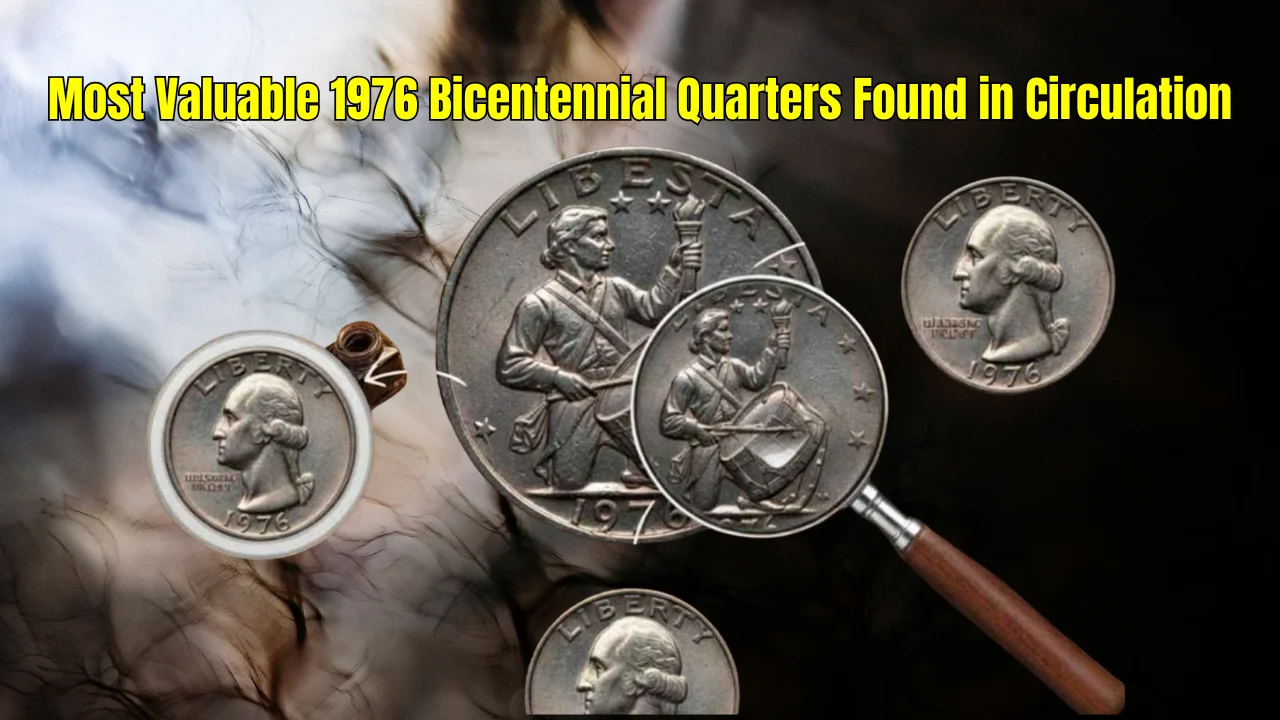
To truly understand the 1776–1976 Quarter Dollar Value, you have to look at what sets it apart. First, there is the design. The reverse shows a Revolutionary War-era drummer boy with a torch surrounded by thirteen stars. Then there is the dual date — all of these coins are marked 1776–1976, regardless of whether they were minted in 1975 or 1976. No other modern U.S. coin does this.
Next, there are three main versions. Circulation coins were made of copper-nickel clad and came from the Philadelphia and Denver mints. San Francisco produced the silver versions, including uncirculated coins and special proof sets, both made of 40 percent silver. That silver content alone boosts the base value, even if the coin is not rare.
Rare Bicentennial Quarters Worth Big Money
Now, here is where the value jumps. Some Bicentennial quarters were accidentally struck on 40 percent silver planchets meant for collector coins but went through the standard circulation process. These mistakes are rare and can fetch thousands. Others show clear minting errors like doubled dies on the lettering or drummer boy design. These are not only collectible but highly sought after.
Coins that were struck off-center or on clipped planchets are also worth more. The more visible the date and design, the higher the value. Then there are the coins in pristine condition. A high-grade silver proof quarter with strong contrast and sharp features is a top-tier collectible, especially if professionally graded.
How to Identify Valuable Bicentennial Quarters
Finding out if you have a valuable quarter starts with checking a few details. Look at the coin’s edge. If you see a solid silver color without a copper stripe, it could be a silver quarter. Next, check the mint mark. Coins with no mint mark are from Philadelphia, a “D” indicates Denver, and an “S” means San Francisco — the only mint that produced the silver versions.
Use a magnifying glass to inspect the design. Look for doubling in the lettering or around the drummer. If the coin looks off-center, clipped, or unusually shiny, it might be worth getting graded. Coins in uncirculated or proof condition, especially with deep cameo contrast, are the most valuable.
Value Guide Chart for 1776–1976 Quarters
The value of a 1776–1976 Quarter Dollar depends on three major things: composition, condition, and minting anomalies. Circulated clad coins are still common and usually only worth their face value. However, uncirculated coins, especially those struck in silver or featuring errors, can go from $5 to well over $500 depending on demand and grading.
It is also worth noting that the collector market can shift. Coins that are rare today may become more in demand as new collectors enter the hobby. Silver prices also play a role in boosting the base value of silver versions. For that reason alone, even non-error silver Bicentennial quarters are always worth holding onto.
Rare Bicentennial Quarters Worth Big Money
Let us take another look at those true standout coins. One of the most desirable finds is a Bicentennial quarter mistakenly struck on a 40 percent silver planchet but intended for regular circulation. Because mints had strict separation for materials, such mix-ups were extremely rare. If authenticated, these coins can be worth thousands.
Then come the visual errors. Double die coins show clear duplications in the design elements, most often in the date, LIBERTY, or the drummer boy. Other errors like clipped planchets, missing design elements, or major off-center strikes make for exciting finds. Collectors love visual flaws, especially when the rest of the coin is in great shape.
How to Identify Valuable Bicentennial Quarters
To identify valuable 1776–1976 Quarter Dollar Value coins in your own stash, follow this simple checklist:
- Look for an “S” mint mark (San Francisco) to spot silver versions.
- Check the coin’s edge for a copper stripe — no stripe means it could be silver.
- Use a magnifier to check for doubling on letters and design details.
- Weigh the coin. Silver quarters weigh slightly more than clad ones.
- Examine condition. The fewer scratches and higher the luster, the better.
Coins with one or more of these traits are worth setting aside for closer inspection or professional grading.
FAQs
Is a 1776–1976 quarter made of silver?
Some are. Only the San Francisco Mint produced silver versions for collectors. Check for an “S” mint mark and a solid silver edge.
How can I tell if my Bicentennial quarter is valuable?
Check for mint marks, silver content, unusual design errors, and overall condition. Errors and silver types are more valuable.
Are all 1776–1976 quarters rare?
No, most are common. Only a small number of error coins or silver versions are considered rare.
What is the most valuable Bicentennial quarter?
The most valuable are those struck on silver planchets during regular production or those with extreme minting errors.
Where can I sell a valuable quarter?
You can sell to coin dealers, at coin shows, online marketplaces, or through auction houses that specialize in collectibles.