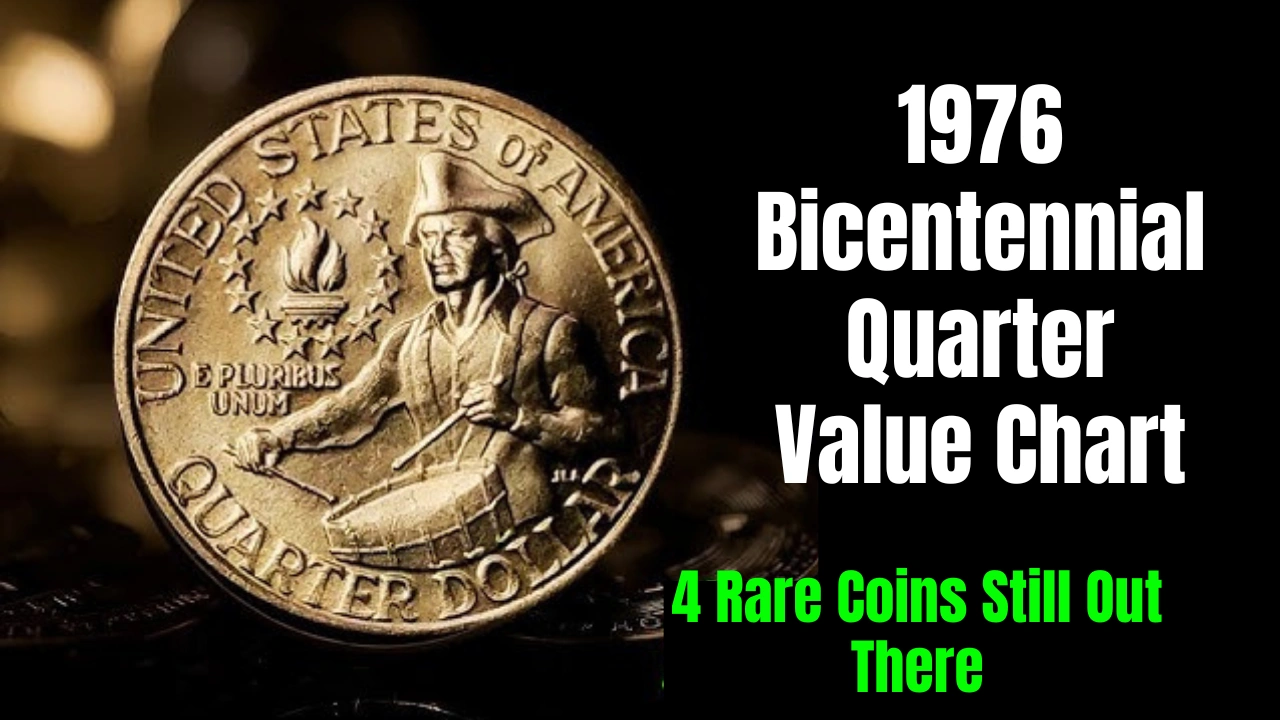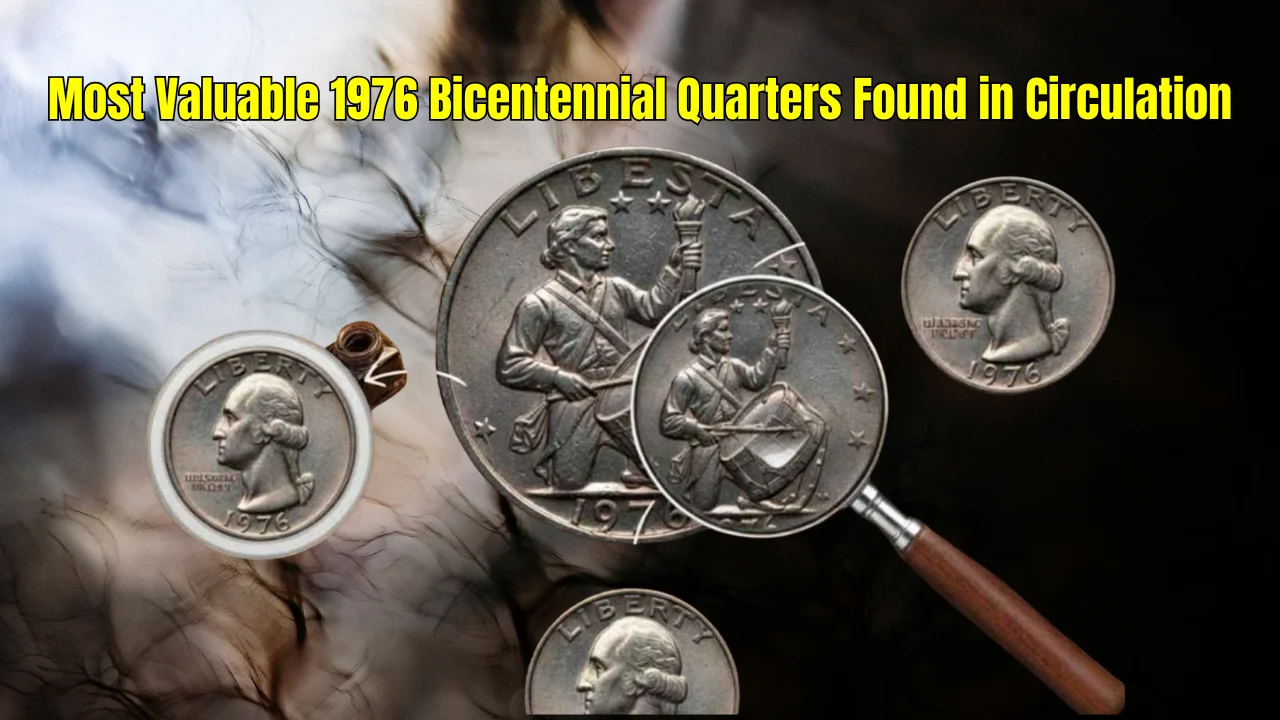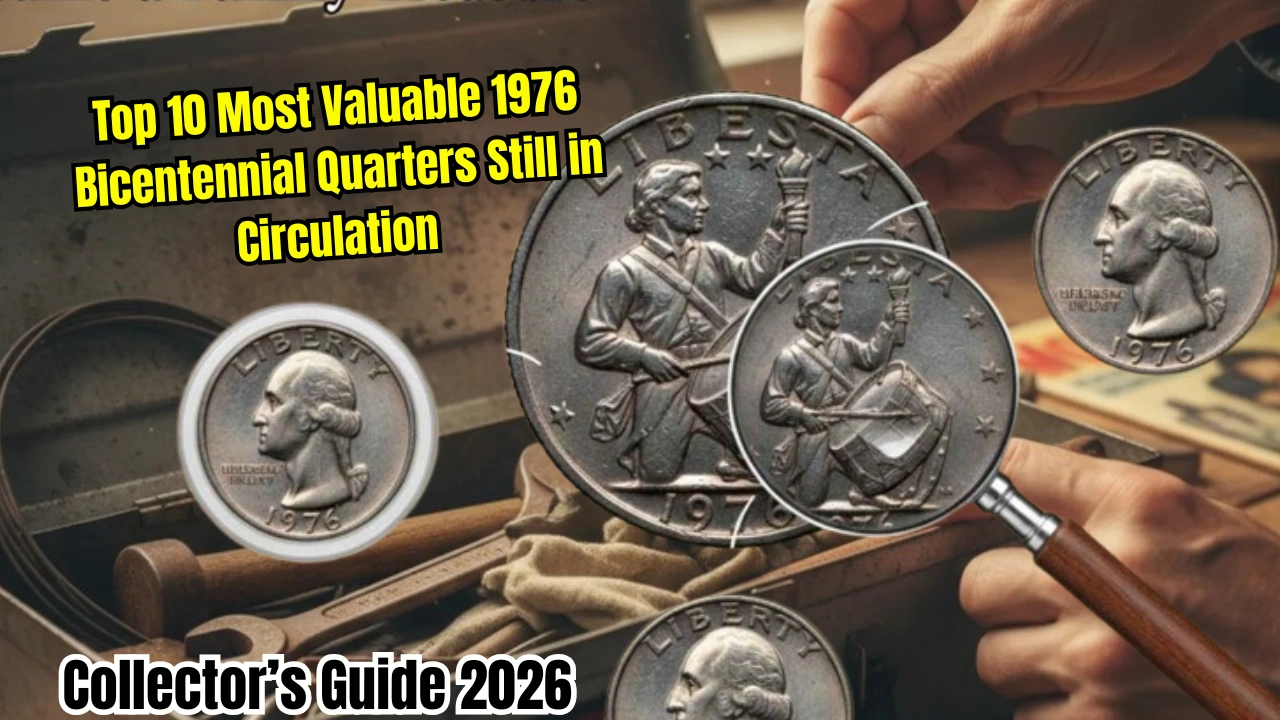
The 1976 Bicentennial Quarters are more than just pocket change. For many collectors, they represent a fascinating moment in American history. Released to mark the 200th anniversary of the nation’s independence, these quarters are instantly recognizable by their dual date and the iconic drummer boy design. But what truly makes them special is that some rare varieties are still hiding in circulation today, quietly waiting to be discovered.
While most 1976 Bicentennial Quarters are worth only 25 cents, a handful carry serious value. Some are made from silver, others have minting errors, and a few are in such pristine condition that they command top dollar at auctions. This guide will help you spot the top 10 most valuable ones, understand what gives them their worth, and learn why they are still a hot topic among collectors in 2026.
1976 Bicentennial Quarters
Coin collectors are always chasing the next big find, and 1976 Bicentennial Quarters continue to deliver excitement even today. These quarters are not rare by default, but specific versions stand out for their unique features. Whether it is a silver-clad strike from a special mint set, a doubled die error, or an uncirculated coin with full luster, these variations can be worth hundreds or even thousands of dollars. The key is knowing what to look for. With rising interest from both seasoned collectors and new hobbyists, these coins have secured a lasting spot in the world of numismatics. If you think all quarters are equal, this list might just change your mind.
Overview Table: Key Details About Valuable Bicentennial Quarters
| Feature | Description |
| Release Year | 1976 (dual date 1776–1976) |
| Design | Drummer Boy reverse by Jack L. Ahr |
| Mint Marks | Philadelphia, Denver, San Francisco |
| Rare Varieties | Silver-clad, doubled die, proof-like |
| Metal Types | Copper-nickel, 40% silver |
| Most Valuable | Errors and silver coins in high grade |
| Still in Circulation | Yes, though rare finds |
| Collector Demand | High in 2026 |
| Certification Value | Increases with PCGS or NGC grading |
| Market Activity | Active in auctions and online sales |
Why Collectors Are Excited About Bicentennial Quarters
The buzz around Bicentennial Quarters has never really faded, but it has picked up steam in recent years. Collectors are drawn to the patriotic design, but the real excitement comes from the hidden gems still in coin jars, old rolls, and change drawers. The fact that these quarters could be in everyday circulation adds a treasure hunt appeal. Combine that with the chance to find a rare error or a silver version, and it is easy to see why interest has surged. Some collectors have turned their finds into four or even five-figure paydays.
Identifying Valuable Bicentennial Quarters
Spotting a valuable Bicentennial Quarter starts with paying attention to the details. Look closely at the lettering and date for signs of doubling. Check the weight—silver-clad quarters weigh slightly more than their copper-nickel counterparts. Examine the condition. Is the coin worn or crisp? High-grade coins with sharp rims, clean surfaces, and clear features are worth much more. Also, do not forget to flip it and check for off-center strikes or other oddities. A common mistake could be a very valuable one if the coin was struck in error.
Exterior Design Details That Matter
The design elements on these coins are more than decorative. They tell a story and sometimes hold clues to value. Collectors pay attention to the clarity of the drummer boy’s uniform, the depth of the drumsticks, and the detail in the stars. Mint marks under the date can also influence value. A San Francisco proof or silver coin, for example, carries more weight than a worn Philadelphia strike. Clean fields, strong edges, and an overall polished appearance are the kind of visual markers that set valuable coins apart from the rest.
Interior Craftsmanship and Rarity
The interior craftsmanship of these quarters matters just as much. Sharp relief on the portrait of George Washington, clear definition in the lettering, and strong contrast between raised and flat areas all add to the coin’s appeal. In rare cases, silver layering on the edge reveals a coin struck from a collector’s version rather than a circulation coin. Rarity is not just about age—it is about how well the coin was made, how many similar ones exist, and what kind of visual condition it is in today.
Minting Technology and Rare Production Variations
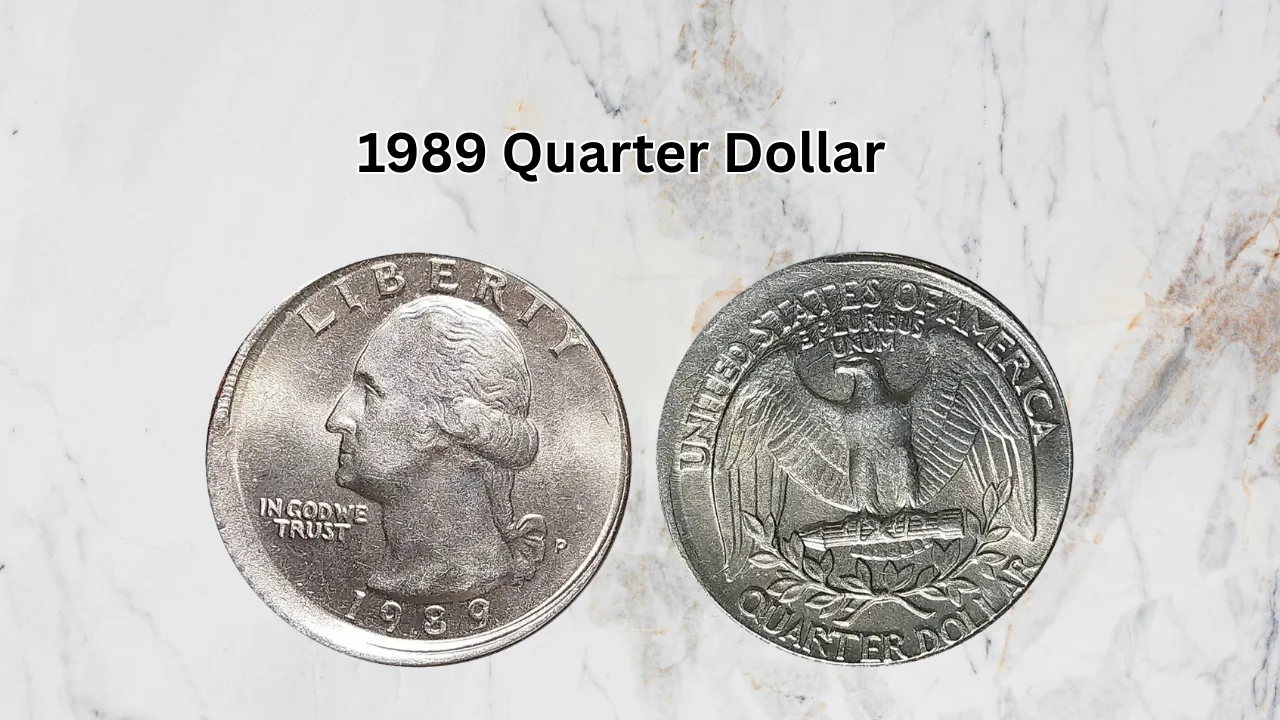
Mistakes during the minting process often lead to some of the most valuable coins. Doubled dies, off-center strikes, and misaligned planchets are all products of minting errors that escape quality control. In the case of 1976 Bicentennial Quarters, these production quirks can create coins that are highly collectible. Special mint sets released during the Bicentennial celebration included silver-clad coins with unique finishes. Some of these coins have developed striking luster or proof-like qualities that are now very desirable in the collector market.
Market Trends and Collector Interest 2025–2026
As of 2026, the market for 1976 Bicentennial Quarters is as hot as ever. Online platforms have made it easier to buy and sell, leading to competitive pricing and a constant flow of activity. Rare varieties continue to sell quickly, especially if they are certified and in high grade. Younger collectors have also entered the market, often drawn in by viral posts about valuable coins. This renewed energy keeps demand strong and prices stable. Coins with confirmed errors or silver content have shown the highest appreciation over the past year.
Condition and Preservation Impact on Value
No matter how rare a coin is, condition always plays a major role. Collectors want clean, original surfaces, bright luster, and sharp details. Coins that have been damaged, cleaned, or worn will see a drop in value. For example, a silver-clad Bicentennial Quarter with scratches might only sell for a few dollars, while one in uncirculated condition could fetch several hundred. Keeping coins in protective holders, away from moisture and friction, goes a long way in maintaining value over time.
Authentication and Verification
When it comes to coins with higher price tags, authentication is essential. Trusted grading services like PCGS and NGC can confirm not just the coin’s authenticity, but also its grade and type. This is especially important for silver-clad coins and those with mint errors. Graded and encapsulated coins often sell for much higher prices because they offer peace of mind to buyers. Additionally, official certification makes coins easier to sell at auction or through online platforms.
Collector Advantages
Bicentennial Quarters offer a lot of advantages for collectors. They are small, easy to store, and carry historical significance. They appeal to both casual hobbyists and serious investors. Their unique designs make them stand out from other coins, and their growing market value gives them real investment potential. Because they were produced in such large quantities, many are still out there waiting to be found. That means even beginners have a shot at discovering something rare and valuable without spending much upfront.
Pricing and Availability
Pricing for 1976 Bicentennial Quarters varies widely. Most are still worth face value, but error coins, silver-clad versions, and coins in high-grade condition can range from $25 to several thousand dollars depending on demand and rarity. Availability is also mixed. While standard versions are everywhere, rare types require careful searching, either through rolls of coins or in estate collections. The more you know about what to look for, the better your chances of finding something special.
FAQs
What makes a 1976 Bicentennial Quarter valuable?
Quarters with minting errors, silver-clad composition, or high-grade preservation are usually more valuable than standard issues.
How can I tell if my Bicentennial Quarter is silver?
Silver-clad quarters weigh more and often have a distinct edge with visible silver layers. Look for coins from special mint sets.
Are Bicentennial Quarters still in circulation?
Yes, although rare versions are harder to find. Many standard quarters are still used as everyday currency.
Should I get my quarter graded?
If you believe your quarter is rare or in exceptional condition, grading can confirm its value and make it easier to sell.
Where can I sell a valuable Bicentennial Quarter?
You can sell through coin dealers, online marketplaces, or auction houses that specialize in collectible coins.