State Quarters changed how people thought about coins. What was once ordinary pocket change quickly became one of the most exciting collectible items in the United States. These quarters were not just currency; they told stories. Each one highlighted a unique part of American history, and for the first time, millions of people were eager to search their wallets and coin jars just to complete a set. It was not just collectors who got involved, either. From schoolchildren to retirees, State Quarters brought generations together with a shared mission.
If you are wondering why these quarters became such a phenomenon or why certain ones are worth more than others today, this article is for you. We are going to walk through how the program started, why it exploded in popularity, how the market for these coins has changed, and what you need to know if you are collecting today. Whether you are a beginner or someone who has been collecting for years, there is something here for everyone interested in the world of coin collecting.
State Quarters: A Cultural and Collectible Movement
The State Quarters program kicked off in 1999 and ran until 2008, featuring a new design every few months to represent each of the fifty states. It was an effort by the U.S. Mint to spark interest in coin collecting while educating people about state history and culture. But what happened next exceeded all expectations. These coins became part of daily conversations, school projects, and family traditions. They were easy to find in everyday change, but some became surprisingly rare and valuable, especially as collectors sought out mint marks and error coins. Over time, these small coins played a big role in shaping a modern appreciation for American numismatics.
Overview of the State Quarters Program
| Key Element | Details |
| Program Start Year | 1999 |
| Program End Year | 2008 |
| Total Quarters Issued | 50 (One per state) |
| Release Schedule | 5 quarters released each year |
| Public Participation | Over 100 million Americans |
| Mint Locations | Philadelphia, Denver, San Francisco |
| Key Collector Focus | Mint marks, proof sets, low-mintage errors |
| Popular Rare Editions | Wisconsin Extra Leaf, Delaware Spitting Horse, Minnesota Double Die |
| Legacy Impact | Inspired future series like America the Beautiful |
| Market Growth | Strong secondary market interest, long-term collector value |
How the State Quarters Program Began
The U.S. Mint launched the program with a goal: make coins more engaging and meaningful. Instead of static, unchanging designs, they offered rotating state-specific artwork on the reverse of each quarter. These designs highlighted significant landmarks, events, and symbols for each state. Quarters were released in the order that states joined the Union, adding a historical timeline to the collecting process. It gave everyday people a reason to pay attention to change.
Because the quarters were issued at regular intervals, collectors looked forward to each new release. It was accessible too. Anyone with a pocketful of change could get involved. You did not need to be a professional coin dealer. This was the beauty of the State Quarters program. It turned coin collecting into a mainstream hobby almost overnight.
Bicentennial Quarter Collectors’ Craze Understanding Its Growing Market Worth
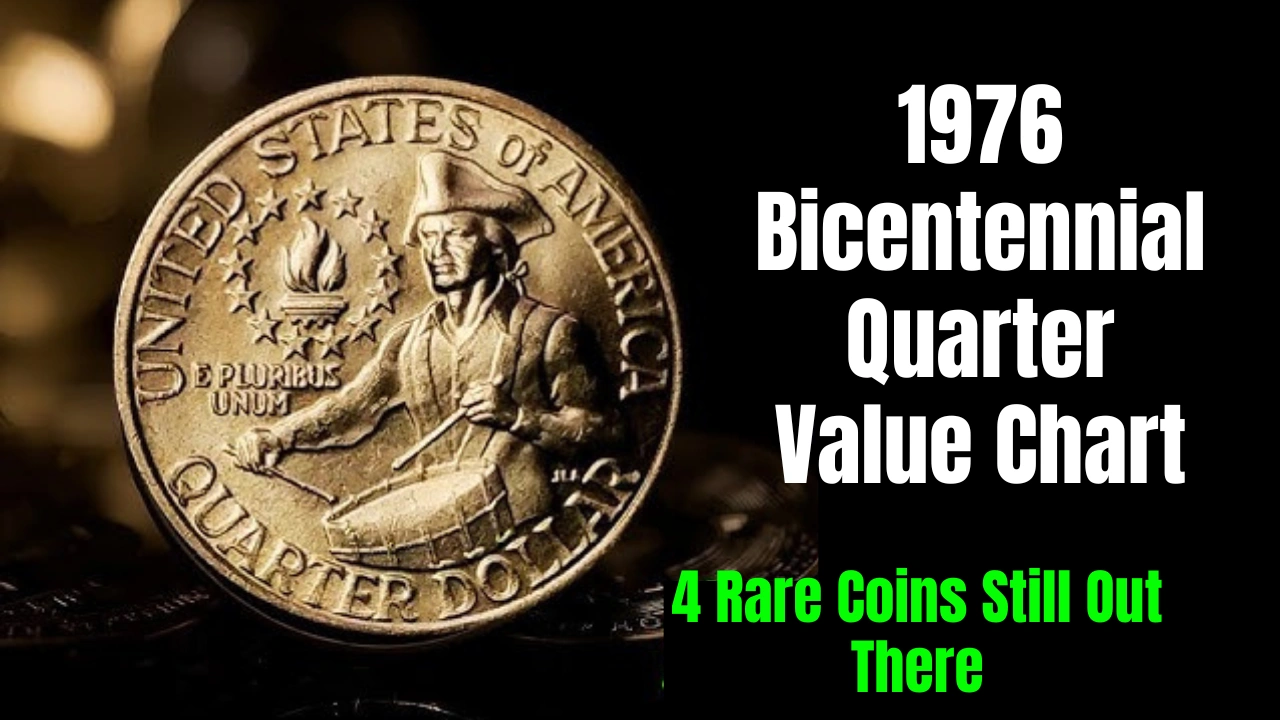
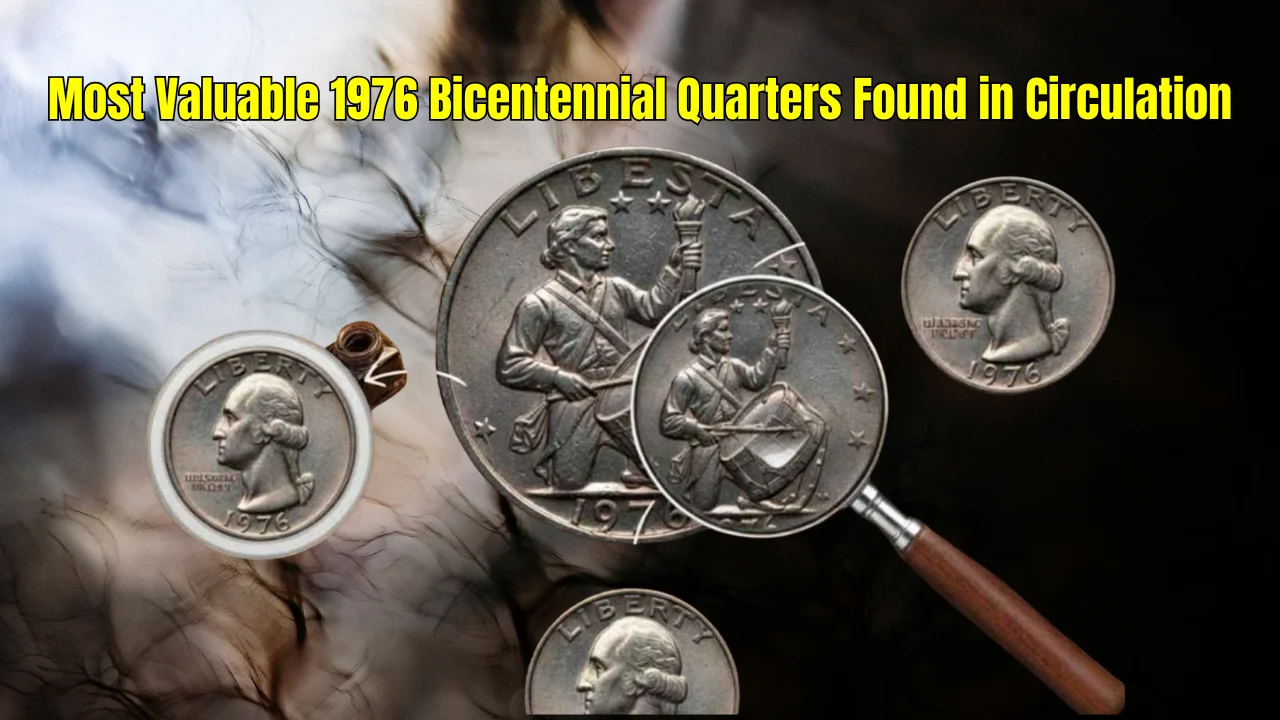
The excitement surrounding these coins was real. In fact, the popularity led to increased demand for certain quarters, especially rare ones with mistakes or low mintages. A great example is the Bicentennial Quarter craze that followed the release of the 1976 commemorative coin. Collectors saw value in coins that marked special events, and this mindset carried into the State Quarters era.
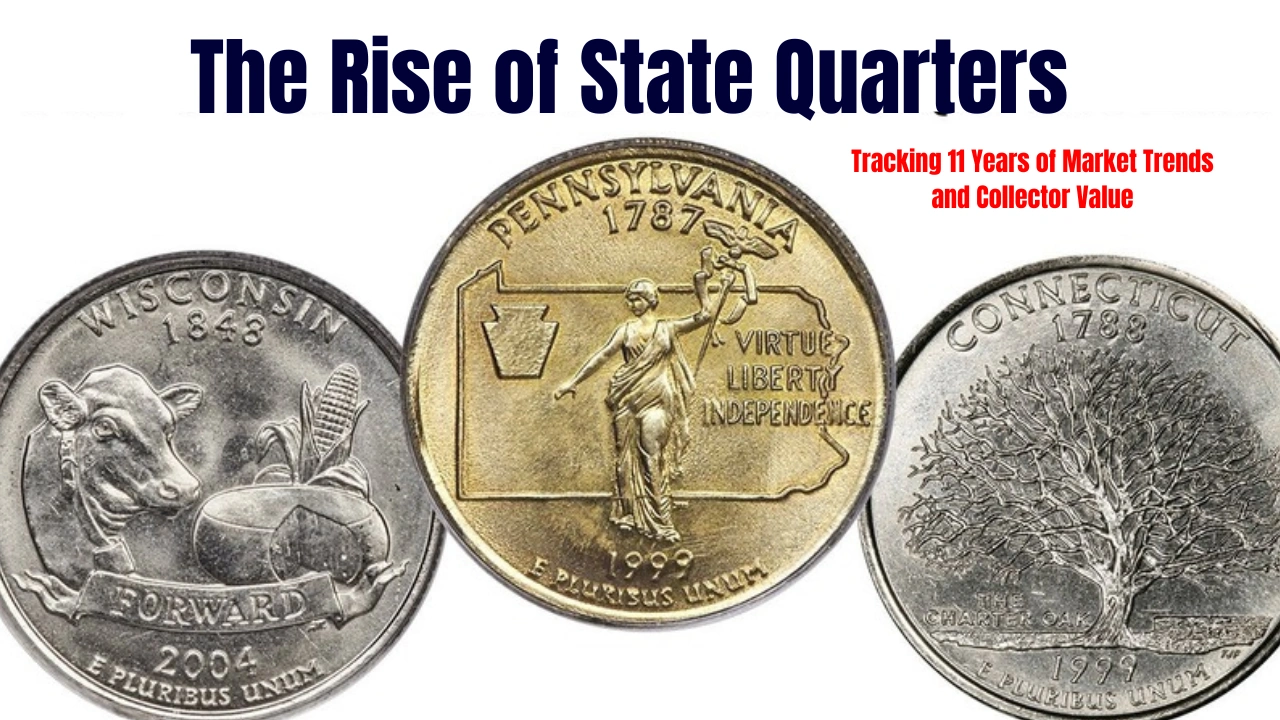
Some quarters like the 2004-D Wisconsin with the “extra leaf” error began to show up on collectors’ radar. People were not just saving one of each state anymore. They were hunting for proof sets, mint condition pieces, and rare varieties. As the market caught on, these coins started selling for far more than their face value. Today, some of the more unique State Quarters can go for hundreds of dollars if they are in perfect shape or have rare minting errors.
Public Enthusiasm and Growing Collector Participation
One of the most surprising outcomes of the program was just how many people got involved. More than 100 million Americans participated in collecting State Quarters during the 11-year run. That is an incredible number. Families started saving quarters together. Schools built educational projects around them. Banks even began seeing increased demand for new quarter releases.
Collectors began branching out, learning about mint marks from different locations like Denver, Philadelphia, and San Francisco. Some searched for uncirculated coins or invested in the official Mint-issued sets. The public became more informed about coin values, and a new generation was introduced to the world of numismatics. The coins helped build a deeper appreciation for history and artistry, and many people who started collecting State Quarters later moved into more advanced coin collecting.
Economic Impact and Market Value Growth
While the State Quarters were designed to be educational and fun, they also created a real economic ripple. With millions of people hoarding quarters, the U.S. Mint had to produce additional coins just to meet circulation demands. This resulted in an unusual boost in minting activity.
Collectors and investors began tracking which quarters were scarcer than others. Coins with low mintages or unique errors became hot items. Over time, the market for these coins began to grow, and so did their value. Quarters that were once just part of pocket change are now selling at coin shows and online auctions for premium prices. Some collectors even consider them long-term investments, tracking prices and trends the way others would follow the stock market.
The Legacy and Lasting Influence of the Program
Even though the program ended in 2008, the impact of State Quarters can still be felt today. It led to the creation of follow-up series like the 2009 D.C. and U.S. Territories Quarters and the 2010 America the Beautiful series. These programs followed the same rotating design concept, using coins to tell stories and celebrate the country.
Collectors continue to chase full 50-state sets, especially those in top condition. Some quarters remain in circulation, but others have become harder to find, especially in uncirculated or proof condition. The legacy of the State Quarters is not just about coin collecting. It is about how a simple idea made millions of Americans take a closer look at history, geography, and the beauty of everyday items. For many, these quarters are now family heirlooms or pieces of a personal story.
FAQs
1. What makes a State Quarter valuable?
Quarters with low mintages, errors, or proof finishes tend to be more valuable. Condition also plays a big role, especially for uncirculated coins.
2. Can I still find State Quarters in circulation?
Yes, but some of the older and rare varieties are becoming less common in daily change.
3. Are all State Quarters worth money?
Most are worth face value, but specific rare editions can sell for much more depending on condition and rarity.
4. What are the most valuable State Quarters?
Examples include the 2004-D Wisconsin with an extra leaf, the 1999 Delaware “Spitting Horse” error, and the 2005 Minnesota double die.
5. Where can I sell my State Quarters?
You can sell through coin dealers, auctions, or online marketplaces like eBay. Make sure to research value before listing.