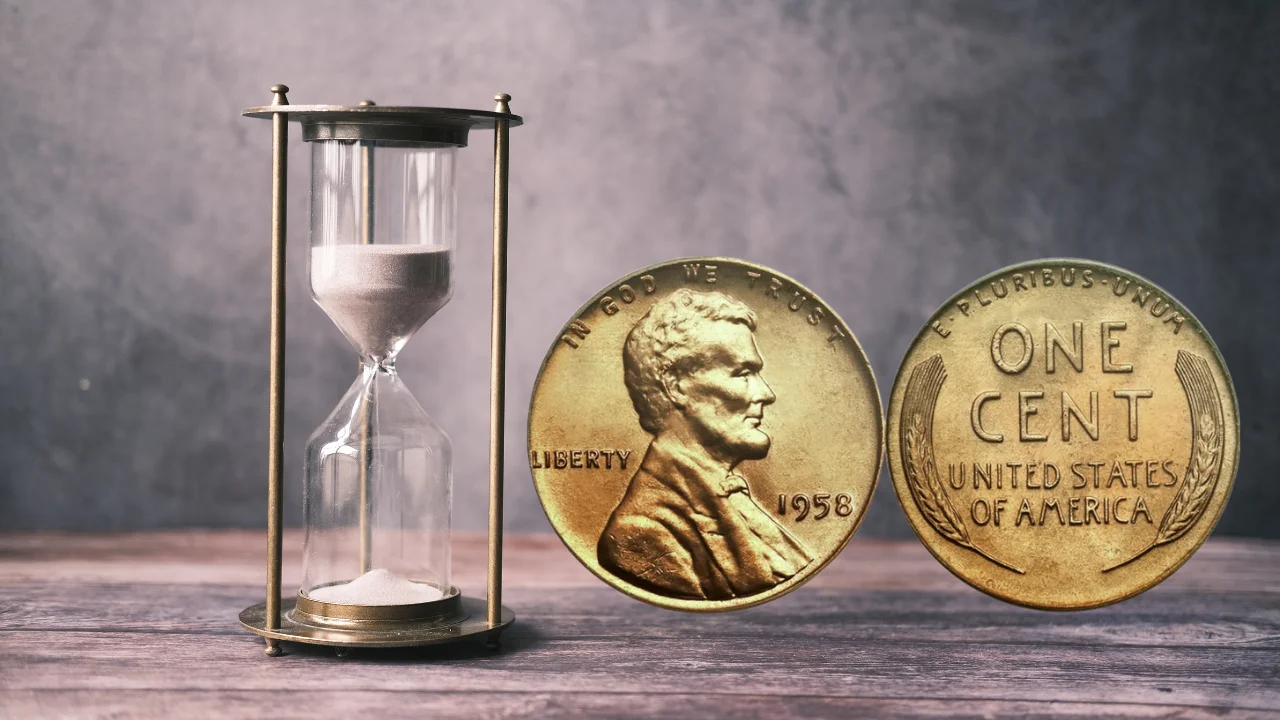
Wheat pennies are one of the most exciting discoveries for coin collectors and casual treasure hunters alike. These little copper coins, often overlooked in old jars or passed down through generations, can sometimes be worth a fortune. What looks like a simple one-cent coin could actually be one of the rarest and most valuable coins in U.S. history.
In this guide, we will explore the rarest wheat pennies that have the power to turn an ordinary person into a millionaire. We will talk about the coins you need to look out for, why they are so valuable, how to identify them, and why collectors and investors are so interested in them right now. This is not just about collecting coins for fun, it is about understanding real value and investment in the world of numismatics.
Wheat Pennies: Rare Coins with Million-Dollar Potential
What makes wheat pennies so fascinating is how a coin once used in everyday transactions can become an asset worth tens or even hundreds of thousands of dollars. These coins, minted between 1909 and 1958, carry a blend of history, rarity, and minting errors that make them extremely valuable to collectors. Some of these rare coins are now valued at over a million dollars, especially when found in top condition or with unique mint mistakes. In a world where physical collectibles are gaining popularity again, wheat pennies have proven to be one of the most reliable and appreciated forms of rare coin investments.
Overview Table: Top 10 Facts About Wheat Pennies That Matter
| Key Fact | Details |
| First Year Minted | 1909 |
| Last Year of Production | 1958 |
| Common Composition | 95% copper, 5% tin and zinc |
| Designer of the Coin | Victor David Brenner |
| Notable Error Coin | 1955 Doubled Die |
| Most Valuable Edition | 1909-S VDB |
| Popular Mint Marks | D (Denver), S (San Francisco), no mark (Philadelphia) |
| Highest Auction Record | Over $100,000 |
| Best Grading Services | PCGS, NGC |
| Investment Potential | High for rare and graded editions |
The History of Wheat Pennies
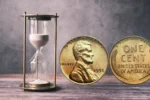
The story of wheat pennies begins in 1909, created to celebrate Abraham Lincoln’s 100th birthday. It was the first time a real person appeared on a U.S. coin, replacing the traditional symbols that came before. The coin’s reverse design, with two wheat stalks curving around the words “One Cent,” gave it the nickname we still use today.
These pennies were produced until 1958, with billions entering circulation. But not all wheat pennies were created equal. Some were minted in extremely low numbers or had rare production errors that made them stand out. These rare coins are now prized for their uniqueness and historical value, often selling for thousands or more at auctions. Even casual collectors are learning that these coins are worth checking carefully before tossing into a coin jar.
What Makes a Wheat Penny Valuable?
There are a few important details that determine if a wheat penny is valuable or just another copper coin. The first is rarity. If only a small number were produced or survived over time, they tend to be much more valuable. The second factor is condition. A penny that has never been circulated, or shows almost no wear, can sell for far more than a worn-out example.
Another critical element is mint errors. Coins with mistakes such as doubled letters, missing mint marks, or off-center images are in high demand. Collectors also look at the coin’s origin. A mint mark like “S” or “D” shows whether the coin was made in San Francisco or Denver, and some of these mint locations produced fewer coins than others, making them rare by default. Combine all these factors and you have the perfect storm for a million-dollar coin hiding in your collection.
The 5 Most Valuable Wheat Pennies
- 1909-S VDB Wheat Penny
This coin is a legend among collectors. It was minted in San Francisco and features the designer’s initials VDB on the reverse. Only 484,000 were made, making it one of the rarest and most sought-after wheat pennies today. - 1914-D Wheat Penny
Produced at the Denver Mint, this penny had a limited mintage and is extremely hard to find in high grade. When found in mint condition, it can bring in over $60,000 or more at auction. - 1922 No D Wheat Penny
This is a unique error coin. Although minted in Denver, it was struck without the “D” mint mark. This mistake makes it very rare, especially in fine condition, and highly valuable. - 1931-S Wheat Penny
With fewer than 900,000 ever made, this San Francisco-minted coin is one of the lowest production runs of the series. It is rare to find this coin in uncirculated condition, making it a collector’s dream. - 1955 Doubled Die Wheat Penny
Probably the most famous error coin, the 1955 doubled die shows a clear doubling of the date and lettering. Collectors are always on the lookout for this dramatic mistake, which can be worth six figures in top condition.
How to Identify Rare Wheat Pennies
The key to spotting valuable wheat pennies lies in the details. Start by checking the year and looking for mint marks under the date. If you see a D or S, that indicates Denver or San Francisco minting, which can sometimes be rarer than coins from Philadelphia.
Next, look for signs of doubling, off-center designs, or missing mint marks. These errors are what turn a regular penny into something special. Finally, consider the coin’s condition. Coins that look untouched or shiny, with no scratches or wear, are worth much more than those that have been in circulation. If you suspect you have a rare penny, it is worth sending it to a professional grading service like PCGS or NGC to get it officially evaluated.
Why Collectors and Investors Focus on Wheat Pennies
There is a reason why serious investors and collectors still focus heavily on wheat pennies in 2025. For one, these coins have a strong history of increasing in value. Unlike modern currency, which is printed endlessly and loses value over time, rare coins tend to appreciate, especially when they are kept in excellent condition.
Collectors are also drawn to the stories behind each coin. Every rare penny has a unique journey, whether it is a production error that slipped through quality checks or a coin minted during a historic time. Investors see them as tangible assets that can diversify a portfolio. In today’s market, where physical collectibles like sports cards and vintage items are booming, wheat pennies continue to be a smart and exciting option.
Tips for Investing in Rare Coins
If you want to start investing in wheat pennies, here are some tips to help you get started:
- Always buy from trusted sources or certified dealers.
- Learn to recognize key dates and mint marks that signal rare coins.
- Do not clean your coins. Cleaning can reduce their value significantly.
- Use grading services to confirm condition and authenticity.
- Follow auction results and market trends to track real-time values.
- Be patient. The best returns often come from long-term holding.
FAQs
How do I know if my wheat penny is rare?
Look for key dates, mint marks, and unusual errors like doubled letters or missing features. These signs usually indicate value.
What is the most valuable wheat penny?
The 1909-S VDB is one of the rarest and most valuable wheat pennies, often worth over $100,000 in top condition.
Are wheat pennies still being used?
No. They were replaced in 1959 by the Lincoln Memorial design and are now mostly found in collections.
Should I clean a wheat penny before selling it?
No. Cleaning can lower a coin’s value. Collectors prefer original, untouched coins.
Where can I get a wheat penny graded?
You can use services like the Professional Coin Grading Service (PCGS) or Numismatic Guaranty Corporation (NGC) for accurate grading and certification.