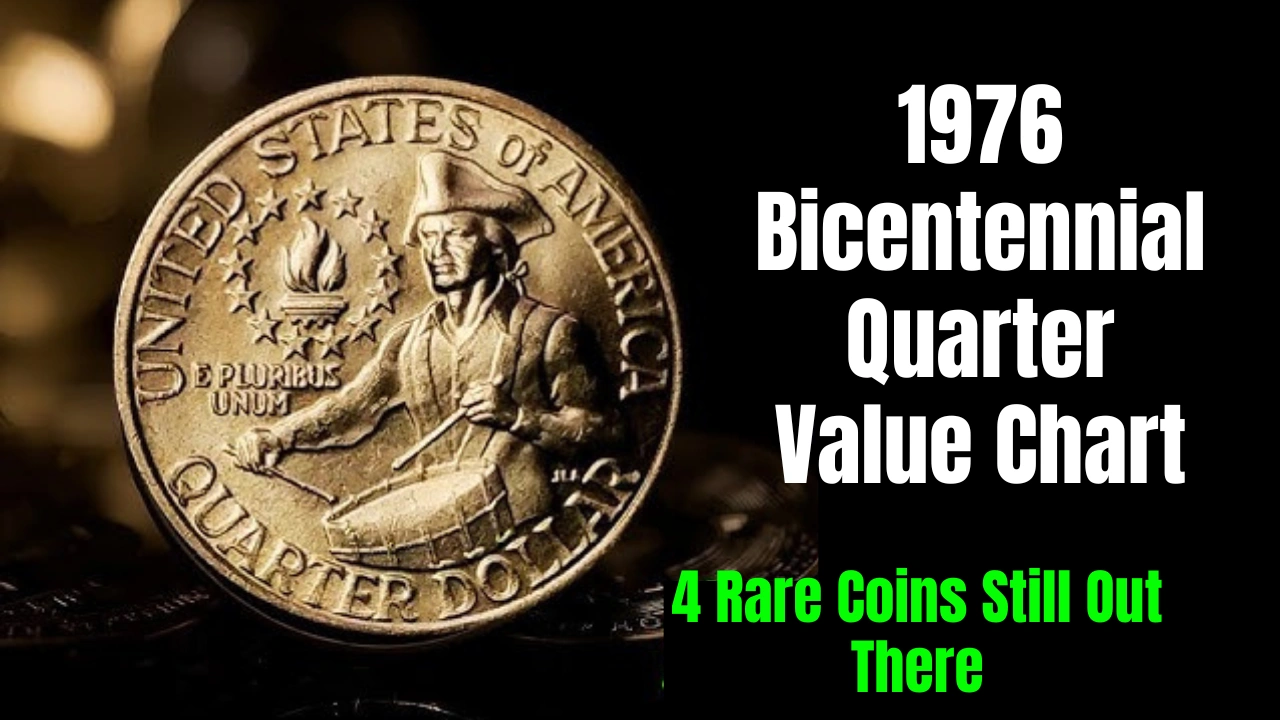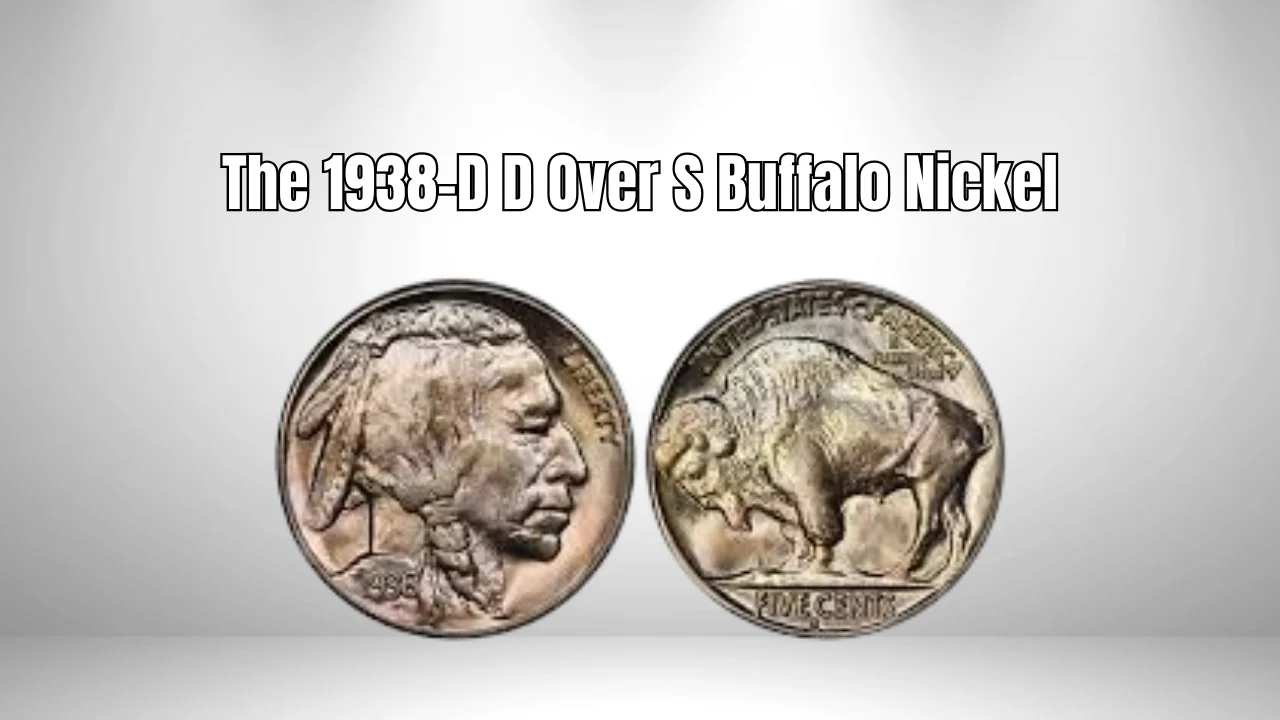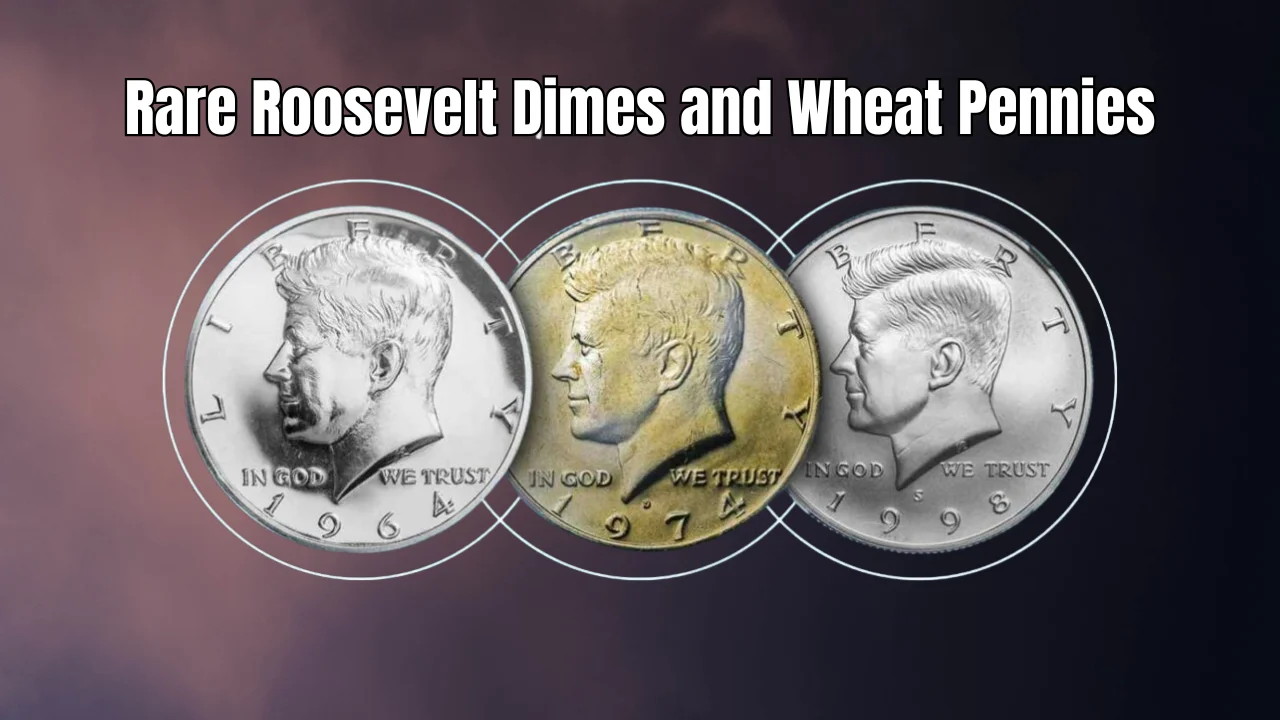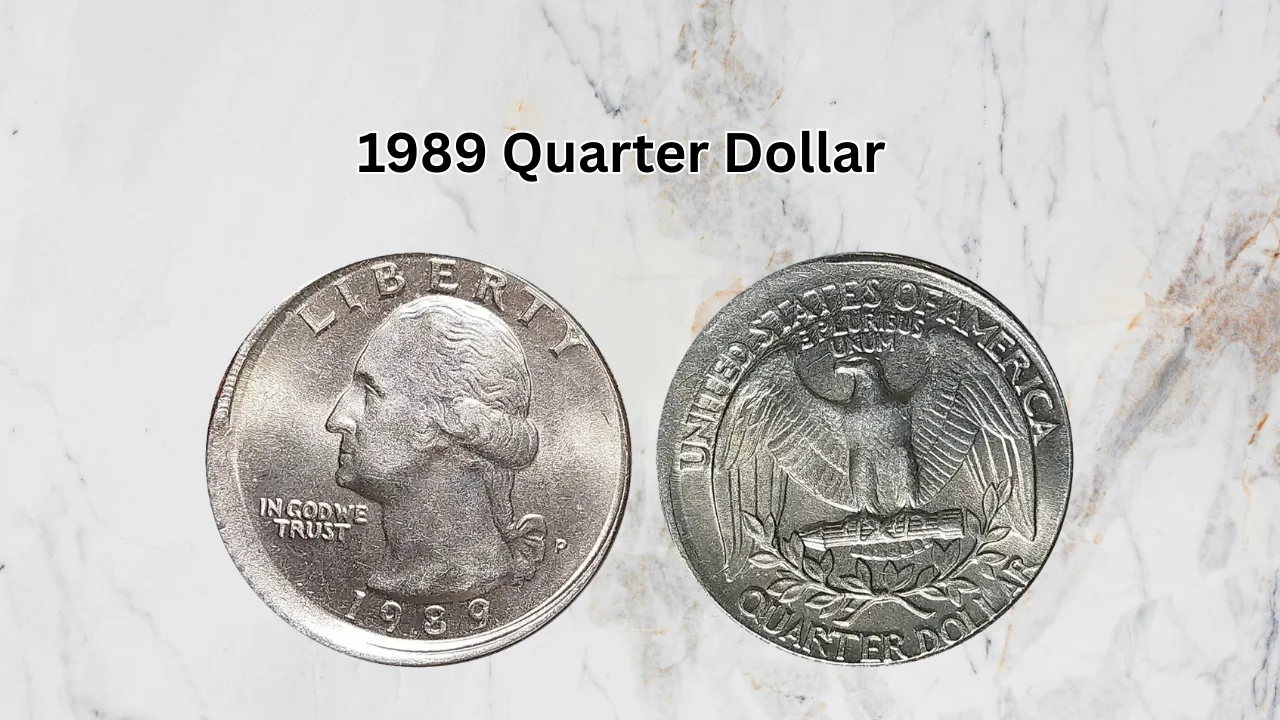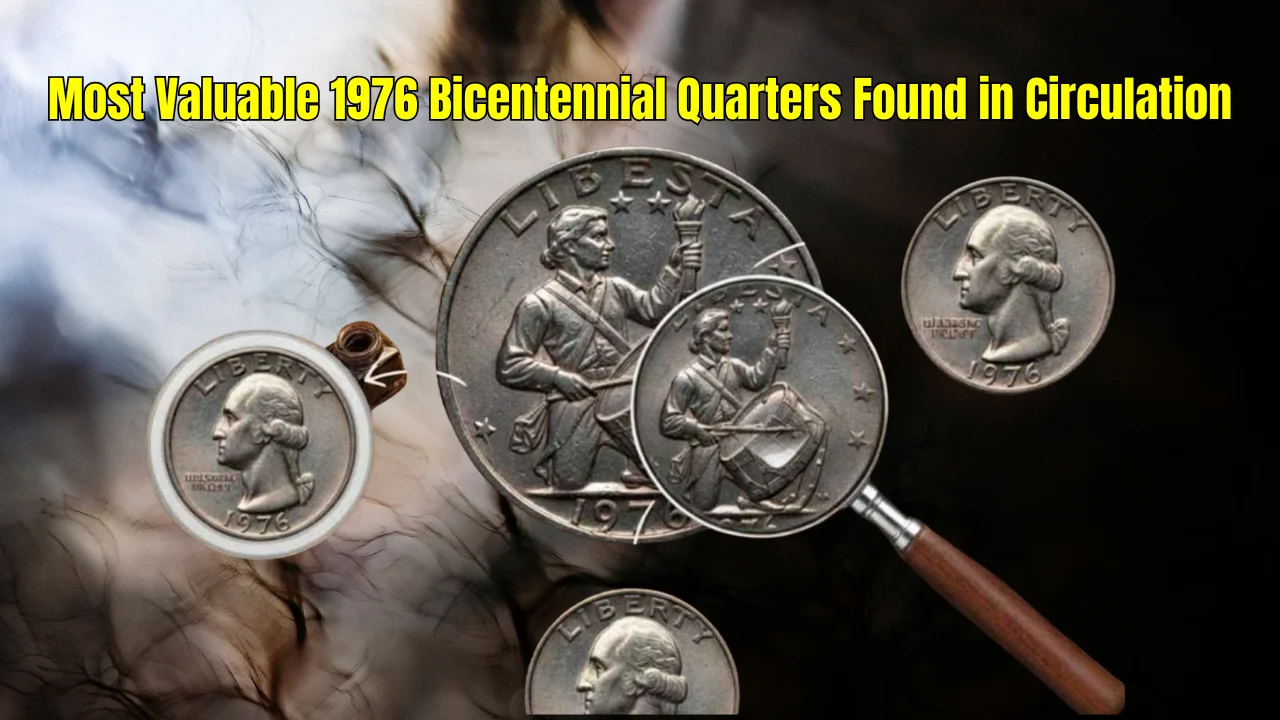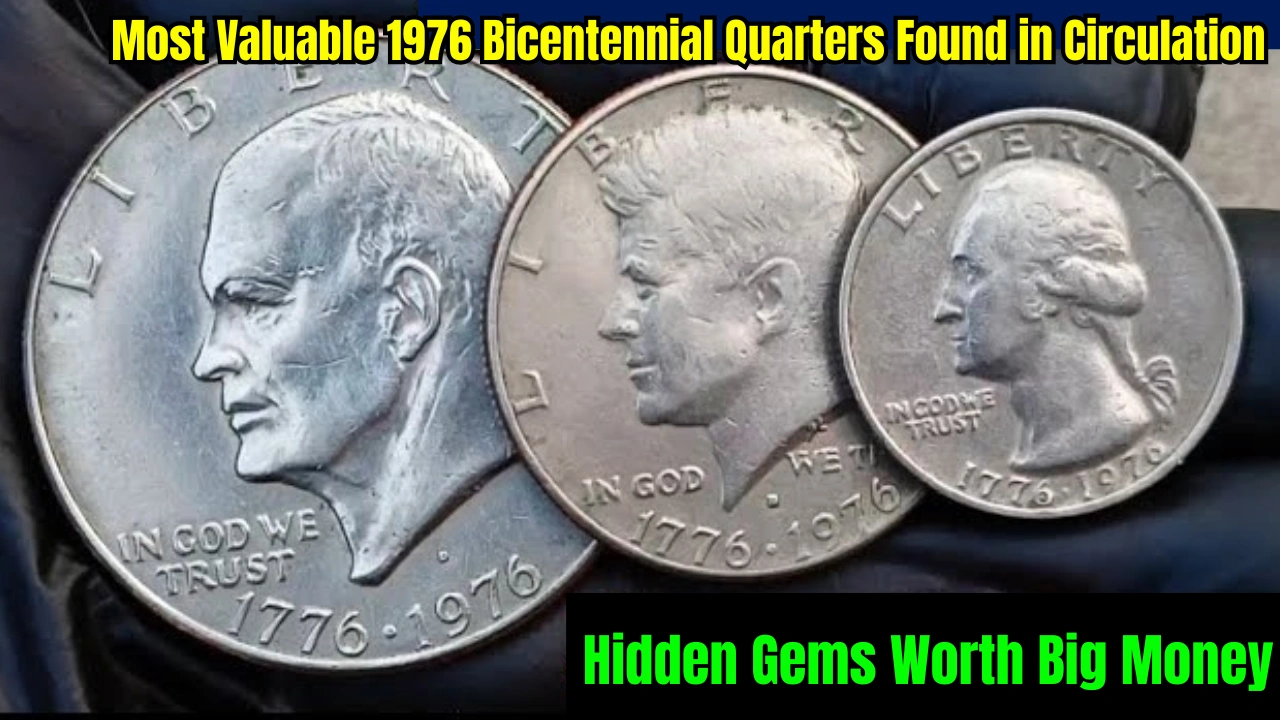
If you have ever come across a coin with the years “1776–1976” on it and a Drummer Boy on the back, you have held one of the most iconic collectibles in American coinage history — the 1976 Bicentennial Quarters. These quarters were made in massive quantities to celebrate the 200th anniversary of American independence, but not all of them are created equal. While many are only worth their face value, a select few carry surprising value due to rare errors, silver content, or high-grade condition.
The excitement around 1976 Bicentennial Quarters has seen a strong revival recently, especially in 2025, as collectors continue to find hidden gems in circulation. Whether from an old coin jar, a box of bank rolls, or inherited collections, these special coins are resurfacing and selling for big money. In this article, we will explore exactly what makes certain 1976 quarters valuable, what to look for, and how to determine if the one in your hand might be worth more than twenty-five cents.
1976 Bicentennial Quarters: Why Some Are Worth Big Money
The 1976 Bicentennial Quarters were minted to honor the 200th anniversary of American independence and showcase a one-of-a-kind design featuring a colonial Drummer Boy on the reverse and the dual date “1776–1976.” While billions were produced for circulation, only a small percentage possess features that make them truly valuable. These include rare mint errors such as doubled dies, off-center strikes, and coins struck on the wrong planchets. Additionally, special 40% silver-clad versions, originally intended for collector sets, can be worth much more, especially in uncirculated or proof condition. Some of the highest-graded examples have sold for thousands at auction. Whether found in loose change or a forgotten collection, these rare quarters remain highly sought after by collectors and investors alike.
Overview Table: Key Information About Valuable 1976 Bicentennial Quarters
| Feature | Details |
| Dual-Dated Year | All quarters are marked with 1776–1976 |
| Reverse Design | Features the Drummer Boy design by Jack L. Ahr |
| Common Composition | Copper-nickel (Clad) |
| Rare Composition | 40% Silver (from collector sets) |
| Valuable Error Types | Doubled die, off-center strike, die cracks, and wrong planchets |
| Mint Marks | No mint mark (Philadelphia), D (Denver), S (San Francisco) |
| High-Value Variants | Proof coins, silver-clad, certified high-grade coins |
| Market Demand in 2025 | High demand due to growing interest in coin collecting |
| Where Found | Pocket change, bank rolls, estate collections, and storage containers |
| Value Range | Face value to over $1,000 for rare and certified versions |
Characteristics That Make Certain 1976 Quarters Valuable
Not all 1976 Bicentennial Quarters are valuable, but certain traits can push them into the collector’s spotlight. Some coins were struck using 40 percent silver instead of the typical copper-nickel blend. These silver-clad quarters were meant for collector sets but a few have made it into general circulation by accident. Quarters with doubled die errors, where parts of the design appear to be stamped twice, can also be worth significantly more. Additionally, coins that are off-center or show unusual markings from the minting process tend to catch the attention of serious collectors.
One more thing collectors love is condition. A quarter that has been kept in mint state, with no scratches or signs of wear, has a far better chance of being valuable. Certified coins that score high grades from professional grading services have proven time and again to bring in premium prices at auctions.
Distinctive Exterior Design Features
When looking at 1976 Bicentennial Quarters, the first thing to notice is the design. The reverse side features a colonial drummer and a torch encircled by thirteen stars, representing the original colonies. This artwork gives collectors several areas to examine closely. Errors in the drumsticks, stars, or lettering can indicate that you have a rare find. Additionally, the strong, clean lines of a well-struck coin often point toward a better quality quarter.
The edge of the coin can also offer clues. Silver-clad quarters usually lack the copper-colored strip visible on standard clad coins. If your quarter appears to be all silver along the edge, it might be one of the rarer silver varieties.
Key Interior Details That Influence Value
Beyond just the outer design, the details inside the coin matter just as much. Clear facial features on the drummer, strong detail in the drum and clothing, and unbroken texture across the fields (the flat areas of the coin) all contribute to a coin’s potential value. The luster, or shine, should be even and not dulled by scratches or dirt.
These inner features are especially important when grading coins for their overall quality. Coins that maintain their mint luster after decades in storage or circulation are increasingly rare, making them highly desirable.
Minting Technology and Rare Variations
The minting process in the mid-1970s was not as precise as today, which allowed a variety of errors to occur. Some 1976 Bicentennial Quarters were struck with doubled dies, where elements of the design like the date or lettering appear to be shadowed. Others came out with off-center images, die cracks, or even were stamped on the wrong type of metal planchet.
Silver-clad quarters were only supposed to be in collector sets, yet a small number entered everyday circulation. These mistakes are what collectors live for and why people still search through change hoping for a lucky find.
Market Performance and Trends in 2025
In 2025, coin collecting continues to rise in popularity, and 1976 Bicentennial Quarters are seeing strong demand. Rare error coins and silver versions have consistently sold for top dollar. Auction results and private sales show that high-grade examples are climbing in price, often exceeding $1,000 if certified.
This trend has been fueled by online coin communities and videos showcasing real people discovering valuable coins in regular bank rolls. The message is clear: hidden treasure still exists, and it could be sitting in a pocket or coin jar right now.
Importance of Condition and Preservation
Even the rarest 1976 Bicentennial Quarters can lose value if they are damaged or worn. Collectors are looking for coins that have been well-preserved. Mint state coins, those that have never been circulated, are always in demand. Keeping coins in holders, away from air and moisture, helps protect their surface and overall value.
It is also important not to clean old coins, as that can ruin the natural toning and reduce their appeal. A coin with original luster and no polishing is always preferred by buyers.
Authentication and Verification Essentials
To know for sure that a coin is genuine and potentially valuable, collectors often send it to a professional grading service. These companies inspect the coin’s metal content, strike quality, and any error features. They then assign a grade and seal it in a tamper-proof holder.
Having your 1976 Bicentennial Quarter graded not only confirms its authenticity but can increase its resale value. Buyers trust certified coins more than raw, ungraded examples.
Collector Appeal and Long-Term Advantages
What makes 1976 Bicentennial Quarters especially appealing is their historical significance paired with the fun of the treasure hunt. These coins are easy to recognize and offer newcomers a low-risk way to get into the hobby. For seasoned collectors, the chance to find rare errors or silver coins keeps the excitement alive.
Because of their commemorative design, these quarters also hold a strong place in American culture. Their long-term value, both financially and historically, is why so many people are still searching for the next hidden gem.
Pricing Expectations and Current Availability
While many 1976 Bicentennial Quarters still only trade for their original 25 cents, others can fetch significant prices. A typical silver-clad version might be worth between three and fifteen dollars depending on condition. More desirable error coins or coins with high grades from reputable grading services can go for hundreds or even more.
New finds in 2025 have shown that high-value examples are still out there, often discovered in the least expected places. This keeps the hunt alive for collectors and casual treasure hunters alike.
FAQs
How do I know if my Bicentennial Quarter is silver?
Check the coin’s edge. If it is solid silver-colored with no orange or copper strip, it might be silver-clad. Also, look for an “S” mint mark from San Francisco.
What is the most valuable type of 1976 Bicentennial Quarter?
Silver-clad coins with doubled die errors or those graded MS67 or higher tend to be the most valuable.
Can I find a valuable 1976 quarter in my change?
Yes, rare coins still occasionally appear in pocket change or coin rolls, especially in inherited collections.
Should I clean my Bicentennial Quarter to make it look better?
No, cleaning a coin can damage its surface and lower its value significantly.
Where can I sell a rare 1976 quarter?
You can sell it through coin dealers, online marketplaces, or auctions, but having it graded first can help get a better price.