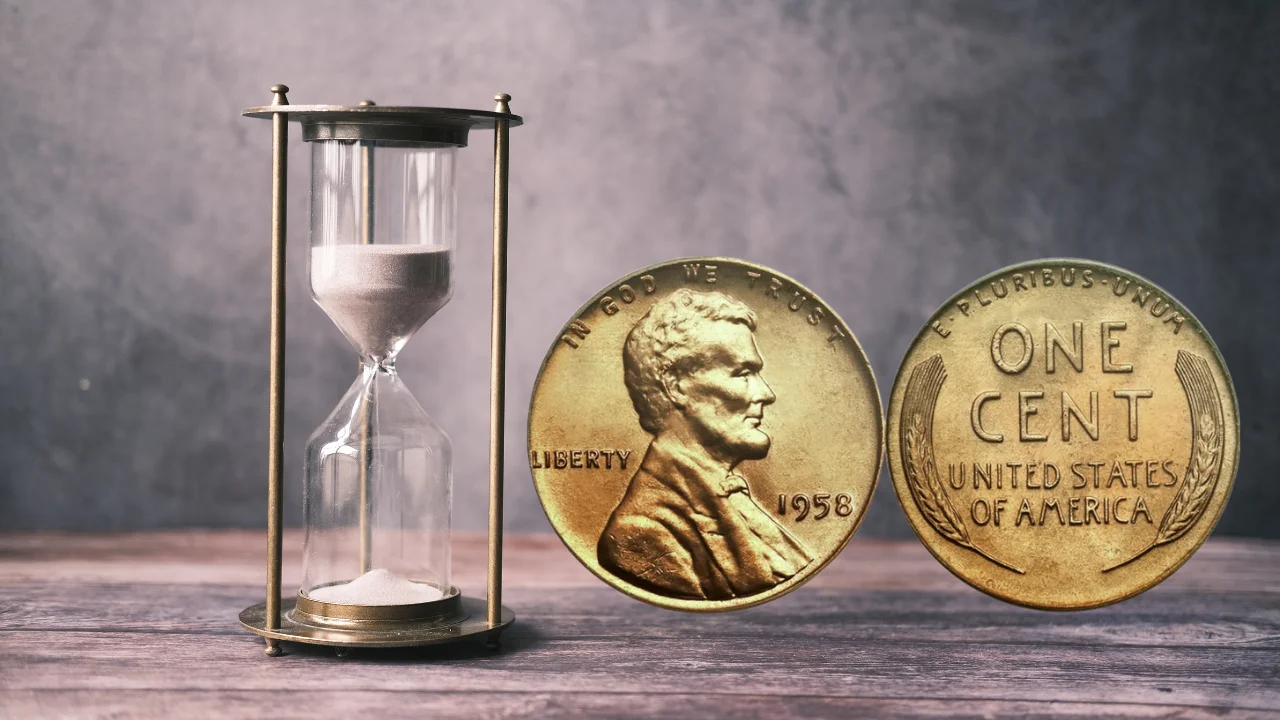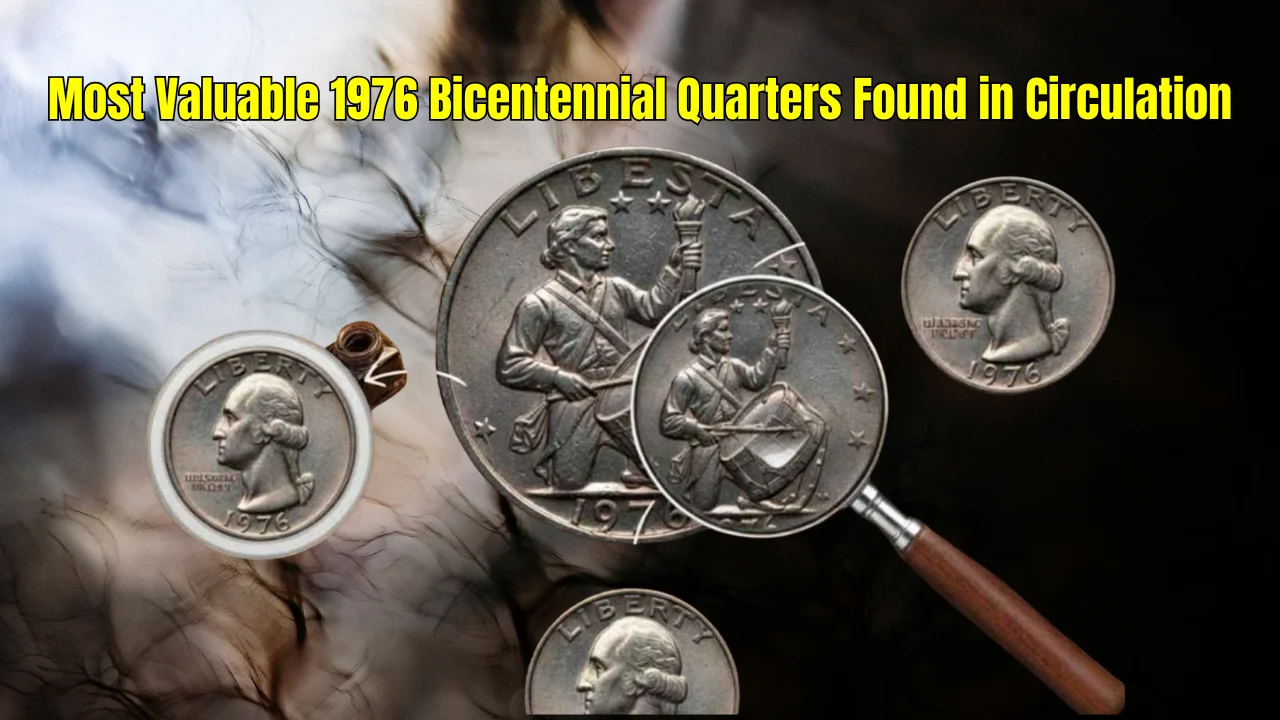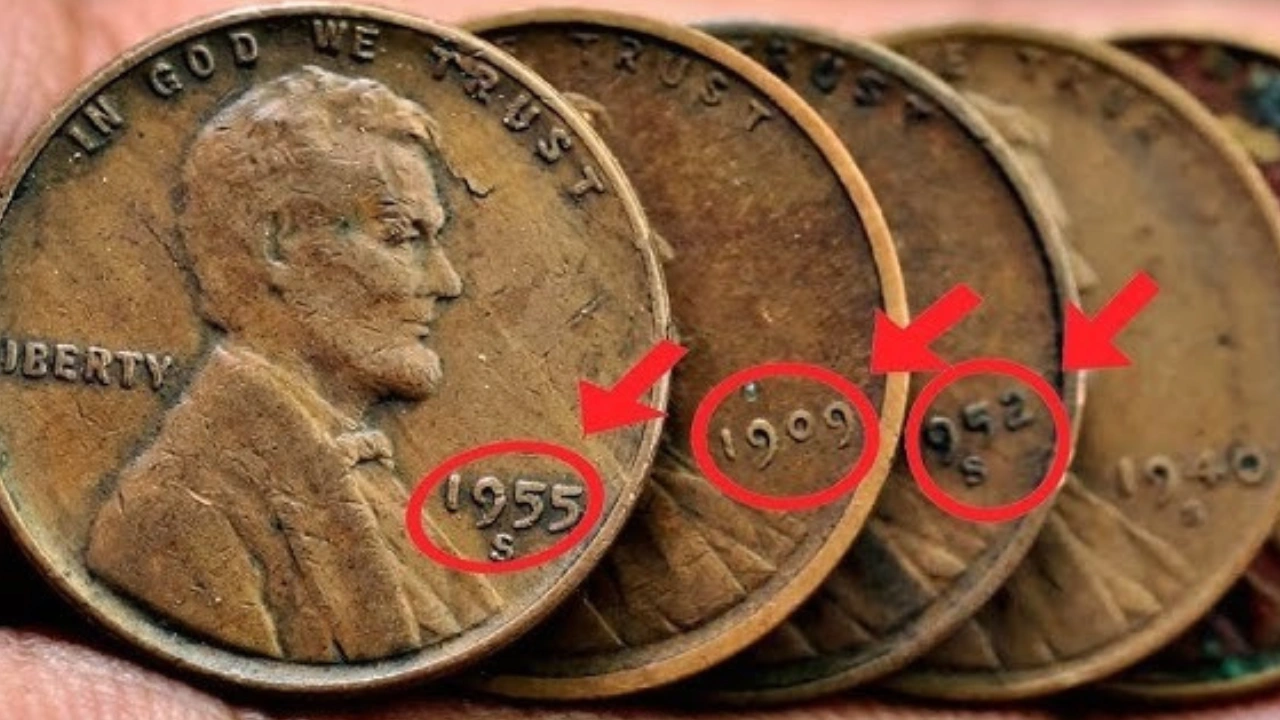
Finding an old coin in pocket change still sparks curiosity, and for good reason. Coins like the Bicentennial Quarter and the Wheat Penny continue to surface in everyday places, quietly reminding people that history can still pass through their hands. The ongoing interest around Bicentennial Quarter vs Wheat Penny comes from one simple question. Which of these familiar coins still hides real value today?
Collectors and casual finders alike often debate Bicentennial Quarter vs Wheat Penny because both coins feel common, yet stories of surprising worth keep appearing online. Some discoveries lead to modest premiums, while others turn into memorable finds. Understanding how these coins differ in value potential helps decide which one deserves a closer look before it goes back into circulation.
Bicentennial Quarter vs Wheat Penny
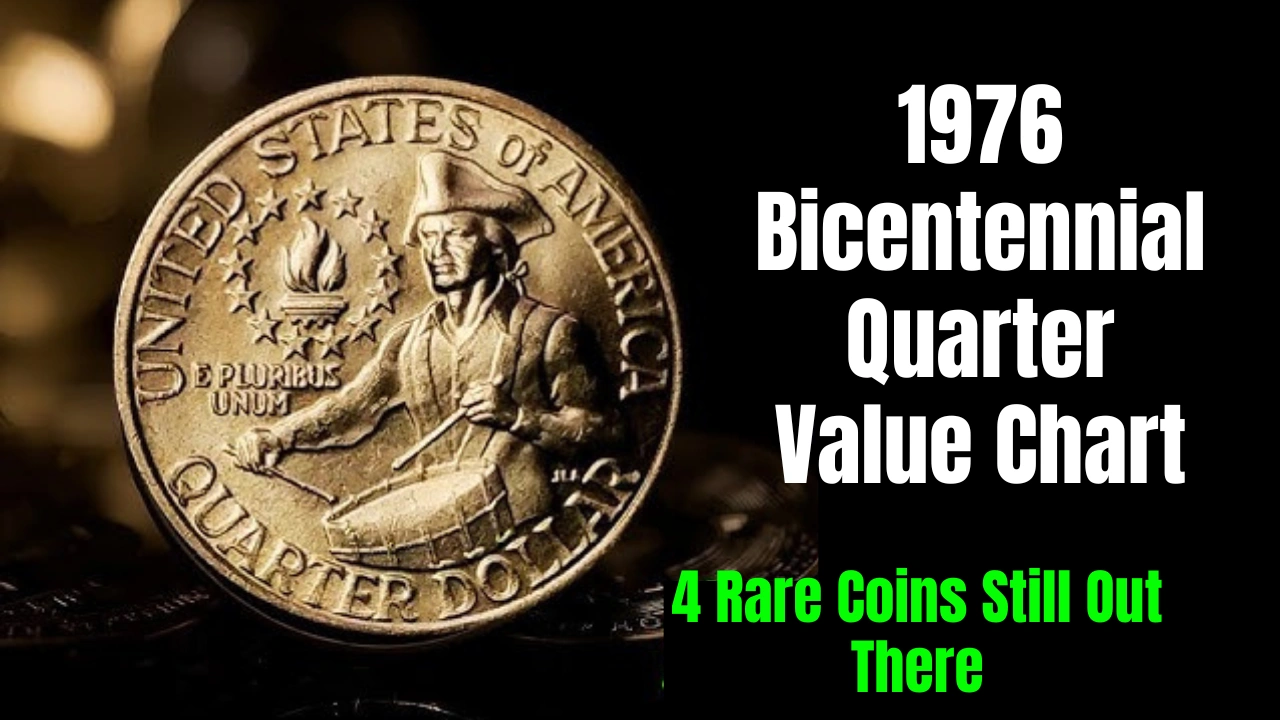
The comparison of Bicentennial Quarter vs Wheat Penny reveals two very different collecting stories. The Bicentennial Quarter represents a national celebration with its drummer boy design and dual date. It was produced in massive numbers, which keeps most examples affordable. The Wheat Penny, however, spans nearly fifty years of production and reflects early twentieth century America. Its age alone adds appeal. While both coins still appear in circulation, collectors approach them differently. One relies on special varieties and condition, while the other benefits from age, scarcity, and a long list of key dates that continue to gain value.
Overview Table: Value Snapshot of Both Coins
| Category | Value Insight |
| Years of Issue | 1976 quarter and 1909 to 1958 penny |
| Common Circulated Value | Face value for quarter, small premium for penny |
| High Value Range | Hundreds for rare quarters, thousands for rare pennies |
| Key Value Driver | Errors and silver for quarter, dates and mint marks for penny |
| Metal Composition | Copper nickel or silver clad, mostly copper |
| Collector Demand | Steady for quarter, strong for penny |
| Circulation Frequency | Quarter more common, penny less common |
| Historical Appeal | National celebration vs early coinage |
| Error Impact | Moderate |
| Hidden Value Potential | Medium |
Why the 1976 Bicentennial Quarter Still Attracts Attention
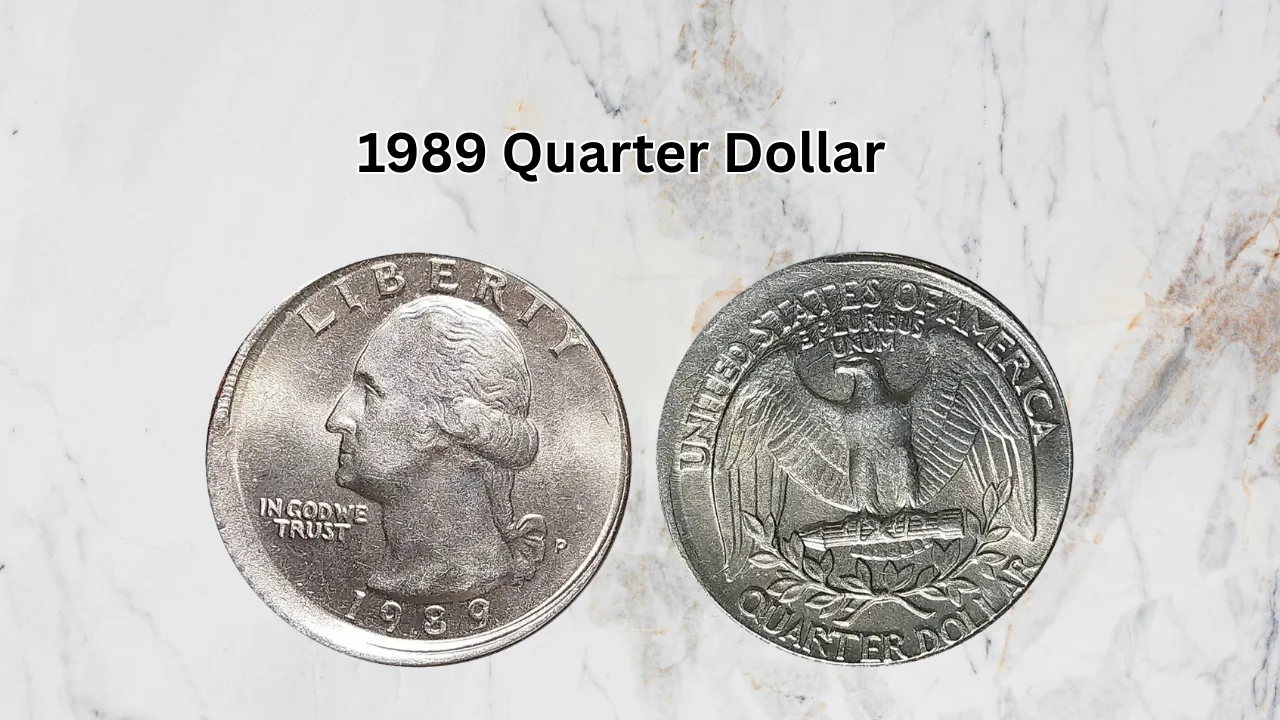
The Bicentennial Quarter was created to honor two hundred years of American independence. Its drummer boy reverse makes it one of the most recognizable U.S. coins. Most were struck in copper nickel and remain worth face value today. However, collectors still watch for silver clad versions produced for special sets. These coins weigh slightly more and can carry strong premiums. Mint errors such as doubled dies or off center strikes also add value. While surprises are less common, the excitement comes from the possibility of finding something unusual in everyday change.
Why Wheat Pennies Continue to Be a Collector Favorite
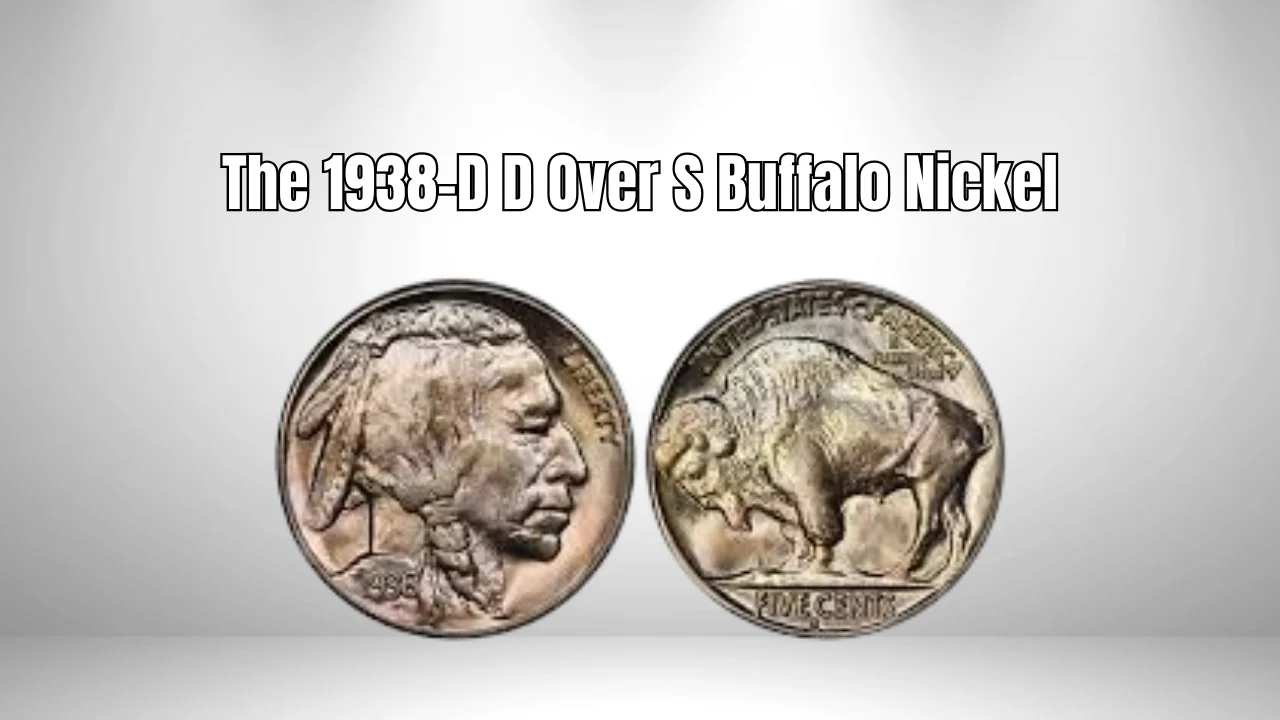
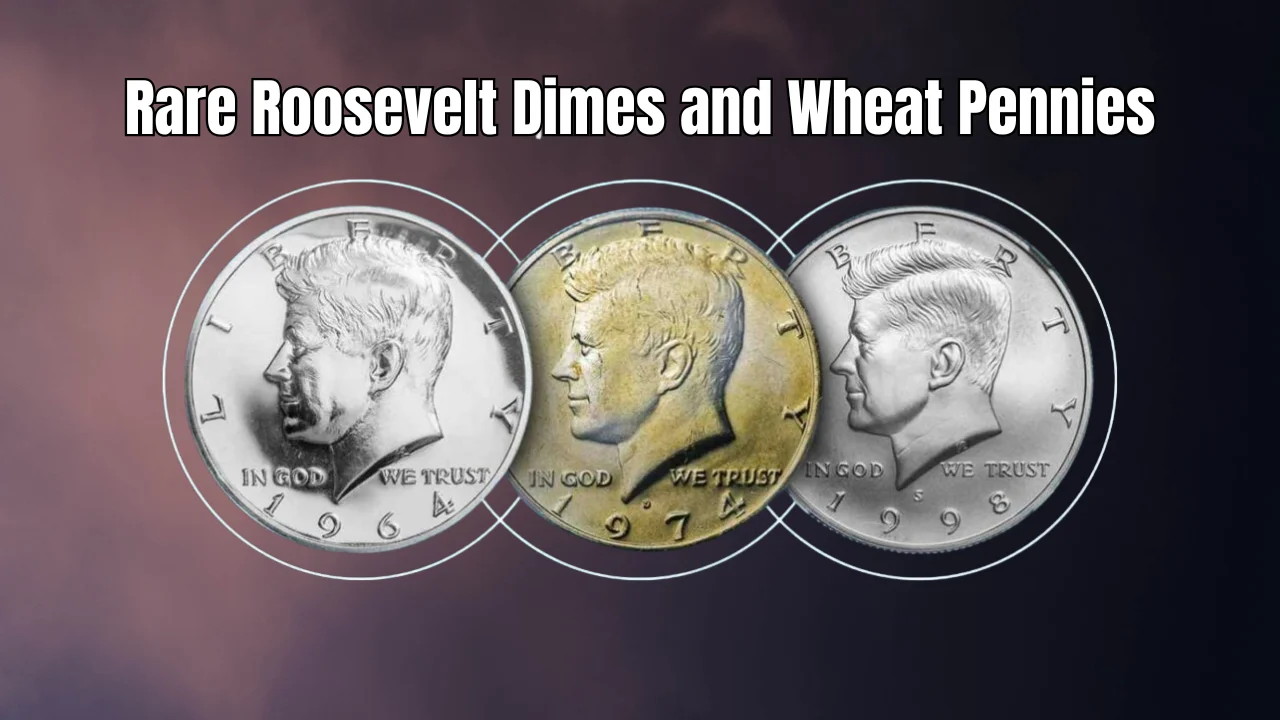
Wheat Pennies hold a special place in American coin collecting. Produced from 1909 to 1958, they are no longer minted, which naturally limits supply. Even common dates usually sell for more than one cent today. Certain years and mint marks dramatically increase value, especially coins like the 1909-S VDB or 1914-D. Error varieties such as doubled dies also attract attention. Many people saved these pennies decades ago, which explains why they still show up in jars and drawers. Their age, design, and variety make them appealing to collectors at every level.
Key Traits Collectors Look For in Both Coins
Collectors focus on specific traits when evaluating either coin. For Bicentennial Quarters, silver composition is important, along with sharp details and minimal wear. Errors such as doubling or misalignment also matter. With Wheat Pennies, date and mint mark come first. Condition follows closely behind. Clear lettering, strong strike details, and minimal damage increase value. In both cases, originality matters. Coins that have not been cleaned or altered tend to perform better in the market. These shared traits help collectors decide whether a coin is worth further evaluation.
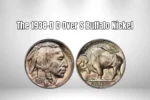
Which Coin Holds More Hidden Value Today?
When weighing Bicentennial Quarter vs Wheat Penny, the Wheat Penny generally offers more consistent hidden value. Even lower grade examples usually exceed face value. Rare dates and errors can bring impressive returns. Bicentennial Quarters, by comparison, require specific traits to become valuable. Silver versions and error coins do stand out, but they are less commonly found. This difference explains why many collectors focus more attention on Wheat Pennies when searching through older collections. The potential for surprise is simply higher with the penny.
Why These Coins Still Show Up in 2025
Both coins continue to appear because of human habits. People save coins without checking their value, then spend them years later. Old collections are often mixed back into circulation during estate cleanouts. Bicentennial Quarters were minted in huge numbers, so their presence remains steady. Wheat Pennies appear less often, but they surface when long forgotten jars are opened. These moments keep collectors alert, knowing that valuable pieces can still reenter circulation even decades after production ended.
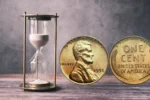
The Nostalgic Appeal of Vintage Coin Finds
The emotional side of collecting plays a big role in the Bicentennial Quarter vs Wheat Penny discussion. Each coin represents a different chapter of American history. The quarter reflects national pride during the 1970s, while the penny connects to earlier generations. Finding either coin can spark memories and curiosity. That sense of discovery keeps interest alive, even when the financial value is modest. For many collectors, the experience matters just as much as the price.
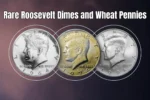
FAQs
Which is more valuable on average, a Bicentennial Quarter or a Wheat Penny?
Wheat Pennies usually carry higher average value because most are worth more than face value.
Are silver Bicentennial Quarters still found in circulation?
They are rare but occasionally appear when old collections are spent unknowingly.
Do all Wheat Pennies have value?
Most have some premium, but key dates and errors are worth significantly more.
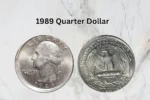
What should I check first on these coins?
Look at date, mint mark, condition, and signs of errors.Is professional grading necessary?
It helps confirm value, especially for higher priced coins.