The 1922 No D Lincoln Cent is one of the most intriguing coins in the world of American numismatics. If you are a coin collector or simply fascinated by minting errors that turn into prized treasures, then you have probably come across this iconic coin. What makes the 1922 No D Lincoln Cent stand out is not just its missing mintmark, but the dramatic story behind how it happened.
In this article, we will take a closer look at the origin of this coin, what makes the Strong Reverse variety so significant, and why collectors consider it one of the most important finds in the Wheat cent series. Whether you are just starting your coin collecting journey or you are already deep into die varieties and registry sets, this guide will give you everything you need to know.
The 1922 No D Lincoln Cent: A Rare Coin with a Strong Story
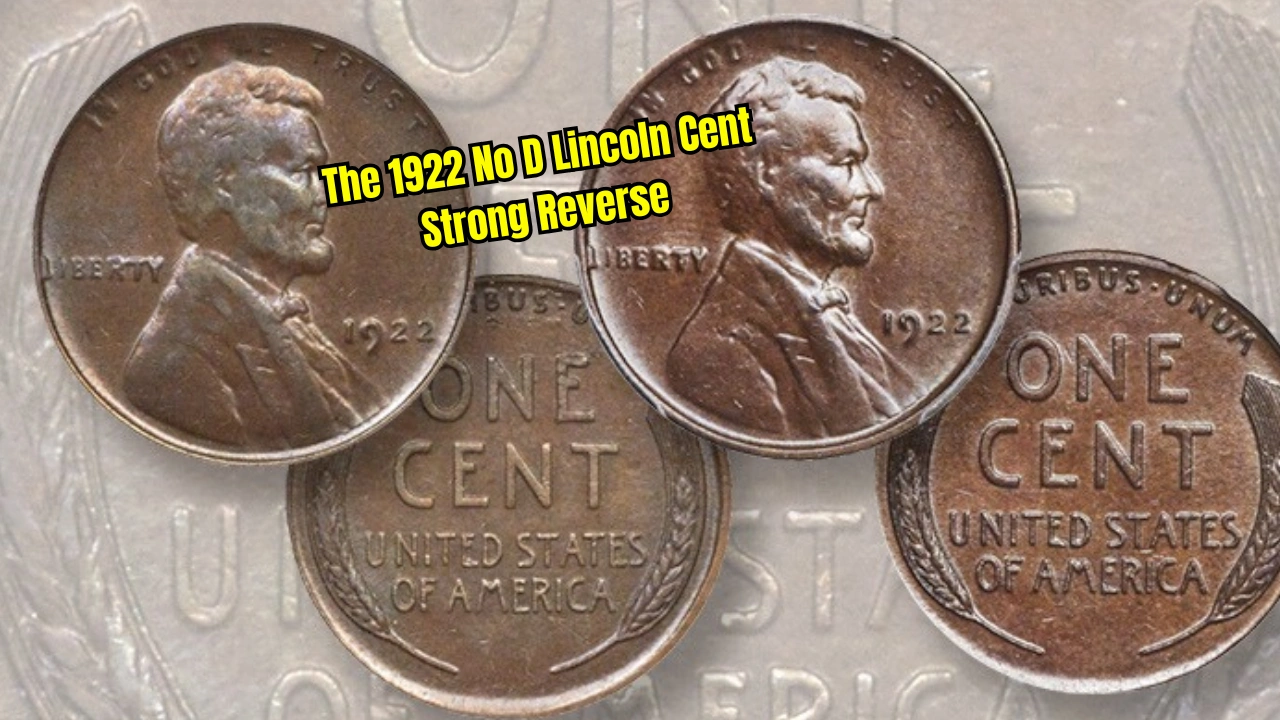
There are few coins in American history that combine rarity, a fascinating backstory, and collector demand like the 1922 No D Lincoln Cent. Unlike other key date coins that were minted in small numbers on purpose, this cent was born out of pure circumstance and minting challenges. The Strong Reverse variety, known as FS-401, is especially valued because it shows a sharp, bold reverse paired with an obverse where the D mintmark is completely missing. This was not a design decision, but a result of intense die polishing by mint workers trying to fix a damaged die.
This variety is recognized by top grading services and is one of the few coins in U.S. history that was supposed to have a mintmark but does not. The charm of the Strong Reverse is not just its rarity, but also the clear diagnostics that make it identifiable even to non-experts.
Overview Table: 1922 No D Lincoln Cent Strong Reverse Quick Facts
| Feature | Description |
| Minting Year | 1922 |
| Mint Location | Denver (only mint striking cents that year) |
| Mintmark Status | Missing D mintmark due to die polishing |
| Die Pair | Die Pair 2 – Strong Reverse (FS-401) |
| Reverse Details | Sharp and well-struck reverse design |
| Obverse Details | Soft and smoothed obverse with no D |
| Error Type | Mint error from over-polished die after clash |
| Recognition | Graded and recognized by PCGS and NGC |
| Rarity | Very scarce, especially in Mint State grades |
| Collector Demand | Extremely high due to uniqueness and history |
A Denver Mint Under Pressure
In 1922, only the Denver Mint was producing Lincoln cents. Philadelphia and San Francisco did not strike any that year, which put the full production load on Denver. This added pressure meant that equipment was used longer than usual, and workers had to find ways to extend the life of worn-out dies. Polishing dies to remove damage became routine, but one such repair job would eventually create a legendary error.
A serious die clash damaged a pair of working dies. Instead of replacing both, the mint workers swapped out the reverse die with a fresh one and polished the obverse die so heavily that the D mintmark completely disappeared. That combination of an aggressively polished obverse and a new, crisp reverse produced the variety known as the Strong Reverse.
Collectors Discover the “Plain 1922”
By the 1930s, coin collectors began to notice 1922 cents that were missing the D mintmark. Since coins without a mintmark were usually from Philadelphia, many assumed this was an undocumented issue from that mint. For years, guides even listed it that way, adding to the mystery and demand.
Eventually, numismatic researchers took a deeper look and discovered that all 1922 cents were struck in Denver. They identified multiple die pairs used that year and pinpointed the over-polished obverse as the reason for the missing mintmark. This meant the 1922 No D Lincoln Cent was not a Philadelphia coin at all, but a Denver product with a mint-made error. The Strong Reverse quickly became the most desirable variety from this group.
Why the Strong Reverse Commands Its Own Place in the Market
Not every 1922 No D cent is valuable. Some have weak reverses, others lack clear diagnostics. What makes the Strong Reverse FS-401 variety special is its combination of strong reverse design and clean, polished obverse where the D is entirely gone. Collectors love it because it is unmistakable, and both PCGS and NGC officially recognize it as a distinct and premium variety.
This version is rare, especially in Mint State grades. When a certified example comes up for sale, it is often a major event in the collecting world. These coins regularly appear in high-profile auctions, and prices reflect both the demand and the scarcity.
Key Characteristics of the FS-401 Die Pair
The most important features that identify the Strong Reverse variety include:
- A bold and clear reverse design, especially in “E PLURIBUS UNUM” and “UNITED STATES OF AMERICA”
- Sharp letters in the motto “IN GOD WE TRUST” on the obverse
- The complete absence of the D mintmark near the date
- Specific die markers, including a crack above “TRUST” that confirms it is Die Pair 2
These characteristics make it easy for even beginner collectors to spot a potential Strong Reverse candidate before getting it professionally graded.
Auction and Market Demand
High-grade examples of the 1922 No D Lincoln Cent Strong Reverse are among the most sought-after coins in the Lincoln cent series. These coins draw attention from both advanced collectors and investors looking for blue-chip pieces. One example coming up in January 2026 is a PCGS MS-64 Brown from the Whispering Pines and Marigold Collections, being offered through GreatCollections. This coin is considered one of the better-preserved examples and is expected to receive strong bids.
These coins do not come up for sale often, and when they do, they usually bring in significant premiums. Collectors value them for their beauty, rarity, and historical context.
Why Collectors Value This Coin
The Strong Reverse FS-401 is more than just a mint error. It is the only 1922 No D Lincoln Cent variety with a strong reverse and polished obverse, making it unique among error coins. It tells a story about how the mint operated under pressure, how collectors once misunderstood the coin’s origin, and how expert research later revealed the truth.
Because of its special status, it is considered a must-have for Lincoln cent specialists and registry participants. Even collectors who do not focus on die varieties often want one because of its historical significance.
FAQs
Is the 1922 No D Lincoln Cent an error coin or a variety?
It is considered a mint error that became a recognized variety due to how consistently the same die pair produced the Strong Reverse version.
How many 1922 No D Lincoln Cents exist today?
While millions of 1922 cents were made, only a small portion were struck with the No D Strong Reverse die pair. Mint State examples are especially rare.
Can I find a 1922 No D Lincoln Cent in circulation?
It is extremely unlikely today. Most of these coins have been collected and graded, though some may still turn up in old collections.
How much is a 1922 No D Strong Reverse worth?
Values vary depending on condition, but certified Mint State examples can sell for thousands of dollars at auction.
What is the best way to authenticate a 1922 No D Lincoln Cent?
Submit it to a third-party grading service like PCGS or NGC. They can confirm the die pair and provide authentication.