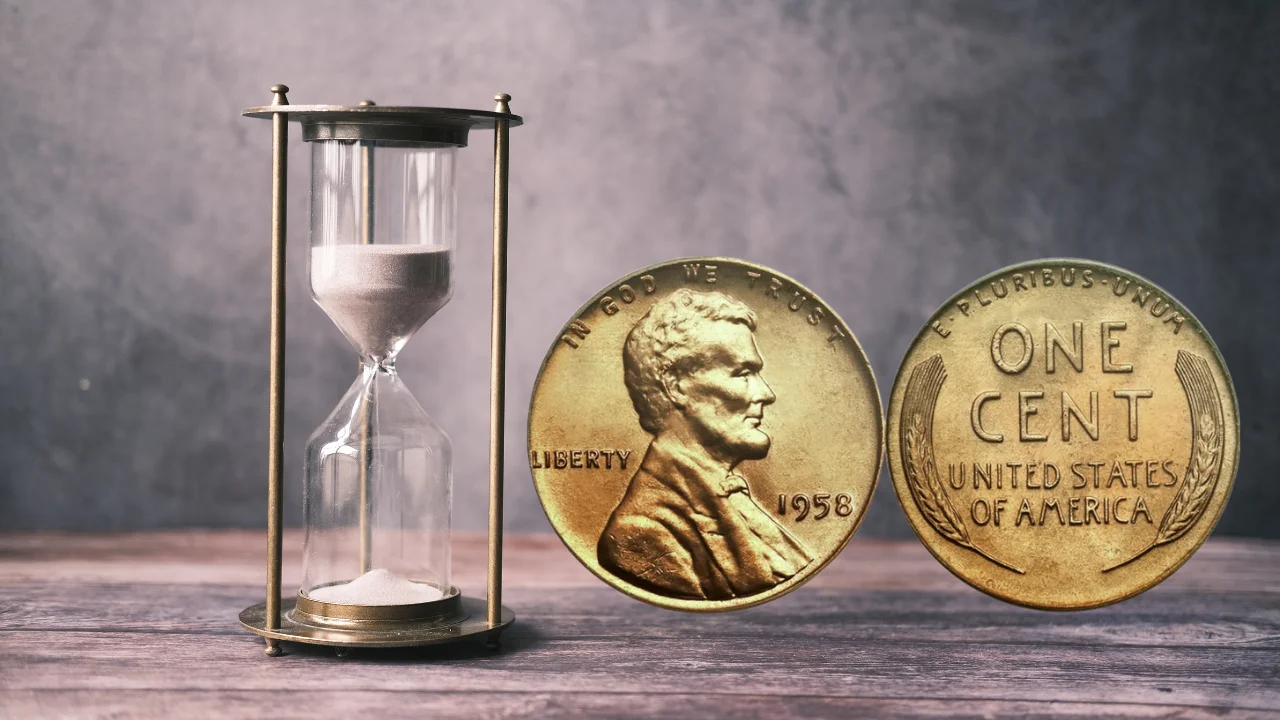
Wheat Penny Values: Wheat Penny Values have sparked the curiosity of coin collectors, history buffs, and even casual change-checkers for over a century. Whether you found one in your grandparent’s drawer or stumbled upon it while counting spare change, there is something incredibly nostalgic and fascinating about these small copper coins. With their simple wheat stalks on the back and Lincoln’s familiar profile on the front, Wheat Pennies have become a gateway into the world of coin collecting.
Understanding Wheat Penny Values is essential if you want to know which coins might be worth more than just one cent. While many of these pennies are common, a few rare years and error versions have sold for thousands or even millions of dollars. This guide will walk you through what makes certain Wheat Pennies more valuable, how to spot rare ones, and what to do if you think you have a hidden treasure in your collection.
Understanding Wheat Penny Values
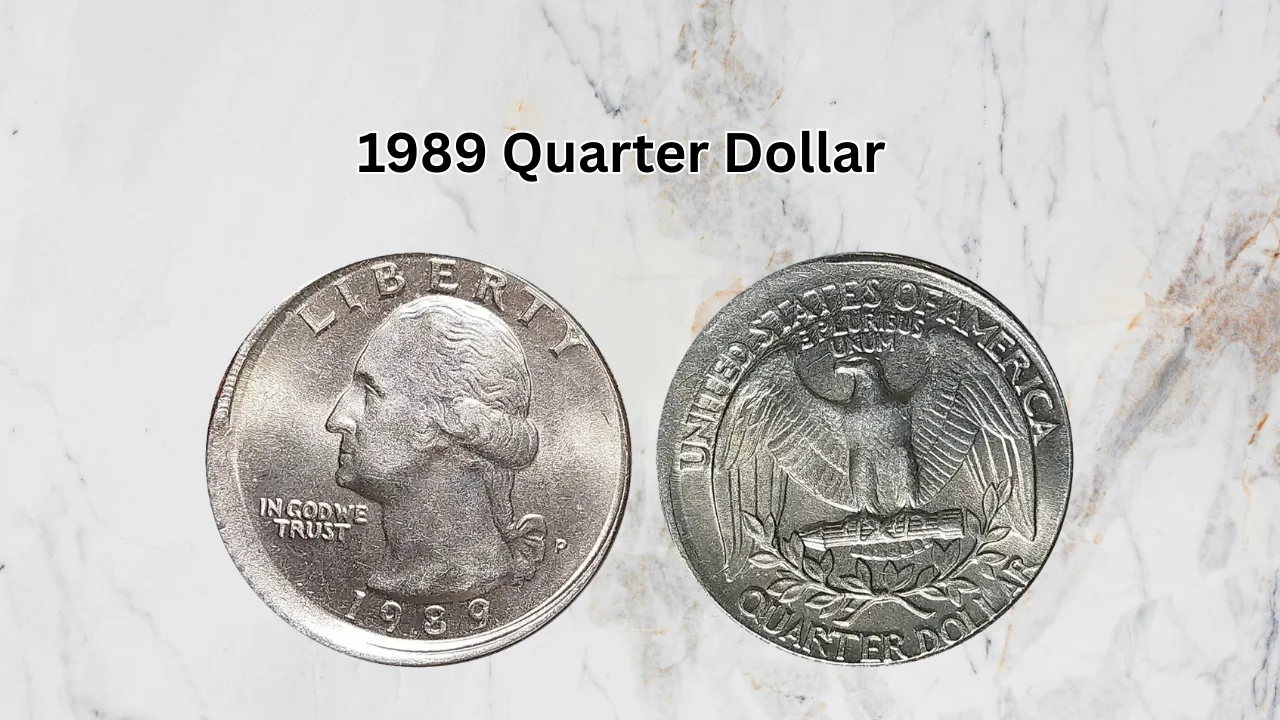
If you are just starting out or have a small collection already, you might be curious about what truly determines real Wheat Penny Values. Several important factors come into play. The first is the year the coin was minted—some years had very low production numbers, making them rarer and more desirable. Next is the mint mark, which tells you where the coin was made. Coins from San Francisco (S) or Denver (D) are often more valuable than those from Philadelphia. The coin’s condition is also critical; coins in uncirculated or near-mint condition are worth much more than heavily worn ones. Lastly, errors and unusual varieties, like double dies or wrong planchets, can turn an ordinary coin into a rare collector’s item worth thousands of dollars.
Overview Table: A Quick Look at Wheat Penny Values
| Important Factors | Details That Impact Value |
| Year of Minting | Some years like 1909, 1914, 1922 are especially rare |
| Mint Mark | Coins from San Francisco (S) and Denver (D) can carry premium value |
| Coin Condition | Uncirculated or proof coins are much more valuable |
| Error Coins | Double dies, misprints, and off-metal strikes are highly sought after |
| Rarity | Limited mintage years tend to be the most collectible |
| Historical Significance | Coins made during war years or special events have extra value |
| Composition | Copper coins generally hold more value than steel ones |
| Collector Demand | Popular coins fetch higher prices on the market |
| Professional Grading | Official grades from PCGS or NGC can boost a coin’s market worth |
| Market Trends | Demand and popularity shift over time, influencing current values |
1909–1919: The Early Years
This decade introduced the Lincoln Wheat Penny, starting with the historic 1909 VDB issue. The initials VDB stood for the coin’s designer, which were removed shortly after release due to public criticism. This makes the 1909-S VDB one of the most valuable coins in the entire series. In mint condition, it can easily go for hundreds of thousands of dollars. Another rare gem from this period is the 1914-D, a Denver-minted coin that is hard to find in high grades.
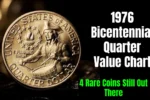
Coins from these years often show heavy wear, so condition plays a big role. If you happen to have one of these early dates, it is worth checking with a coin expert or grading service to see what it might be worth.
1920–1929: Growing Popularity
The 1920s saw more Wheat Pennies being minted, but most of them are considered common in circulated condition. That said, there are still a few standouts. The 1922 No D penny is one of the most famous error coins in the series. It was struck in Denver, but due to a worn die, some coins came out with no mint mark at all. This unusual mistake makes the coin highly collectible, especially in well-preserved condition.
Coins from this period can still fetch a nice price if they are in mint state. It is a good idea to examine any 1920s pennies you come across for signs of strong detail and lack of wear.
1930–1939: The Great Depression Era
The Great Depression did not slow down the U.S. Mint much, and plenty of Wheat Pennies were made during the 1930s. However, most coins from this time are not considered rare unless they are in top-grade condition. The standout is the 1931-S, which had a relatively low mintage and is considered a key date among collectors.
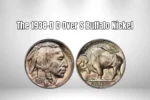
Even though most 1930s pennies are not worth a fortune, finding one in excellent shape could still add a valuable piece to your collection. If you are lucky enough to come across a 1931-S, especially one with sharp details and minimal wear, you might be holding a coin worth hundreds or more.
1940–1949: War-Time Coins
World War II had a major influence on coin production. In 1943, to conserve copper for the war effort, the U.S. Mint produced pennies using zinc-coated steel. These steel cents are easy to identify because of their silver color. While common, they are popular among beginners. The real prize from this era is the 1943 Bronze Penny, an accidental strike that happened when leftover copper planchets were used. This coin is extremely rare and one example sold for over 1.7 million dollars.
Collectors should also be on the lookout for 1944 Steel Pennies and other error coins from this period. These anomalies are what make wartime pennies so exciting to collect.
1950–1958: The Final Years
The last decade of Wheat Penny production saw some of the highest mintage numbers. Most of these coins are easy to find and worth just a few cents in circulated condition. However, that does not mean they are worthless. Coins in brilliant uncirculated condition or those with error varieties can still be worth a surprising amount.
If you come across a double die from this era or a coin with a repunched mint mark, it might be worth sending it in for grading. These small details can turn a common penny into a collector’s favorite.
Tips for Collectors
- Inspect coins closely for mint marks and errors, especially on older pennies
- Store coins in a dry, safe place to avoid corrosion or wear
- Avoid cleaning your coins, as it can ruin the value
- Learn how to identify common error types like double dies and off-center strikes
- Consider using a professional grading service for rare or high-condition coins
Why Collect Wheat Pennies?
Collecting Wheat Pennies is more than just a hobby. It is a way to connect with American history, learn about minting processes, and potentially build a collection of real value. From the 1909 VDB to the final 1958 edition, each coin has a story. Plus, finding a rare variety in your pocket change or an old jar is always a thrill. Whether you are collecting for fun, investment, or nostalgia, tracking Wheat Penny Values is an essential part of the journey.
Most Valuable Wheat Pennies (List)
- 1909-S VDB – Iconic and highly prized by collectors
- 1914-D – Rare and expensive in uncirculated grades
- 1922 No D – Famous for its missing mint mark error
- 1943 Bronze – One of the rarest coins in U.S. history
- 1944 Steel Penny – Another valuable minting mistake
Top Collector’s Errors to Watch (List)
- Double Die Obverse (especially 1955)
- Off-center strikes
- Repunched Mint Marks (RPMs)
- Wrong planchet errors
- Missing mint marks
FAQs: Wheat Penny Values
The 1943 Bronze Wheat Penny is considered the rarest and has sold for over 1.7 million dollars.
Check the date, mint mark, and condition. Look for known errors and consider getting it graded.
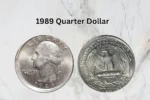
The mint mark is located just below the date on the front of the coin.
Most 1943 pennies are steel and common, but the rare bronze version is extremely valuable.
No. Cleaning can damage the coin and significantly reduce its value.