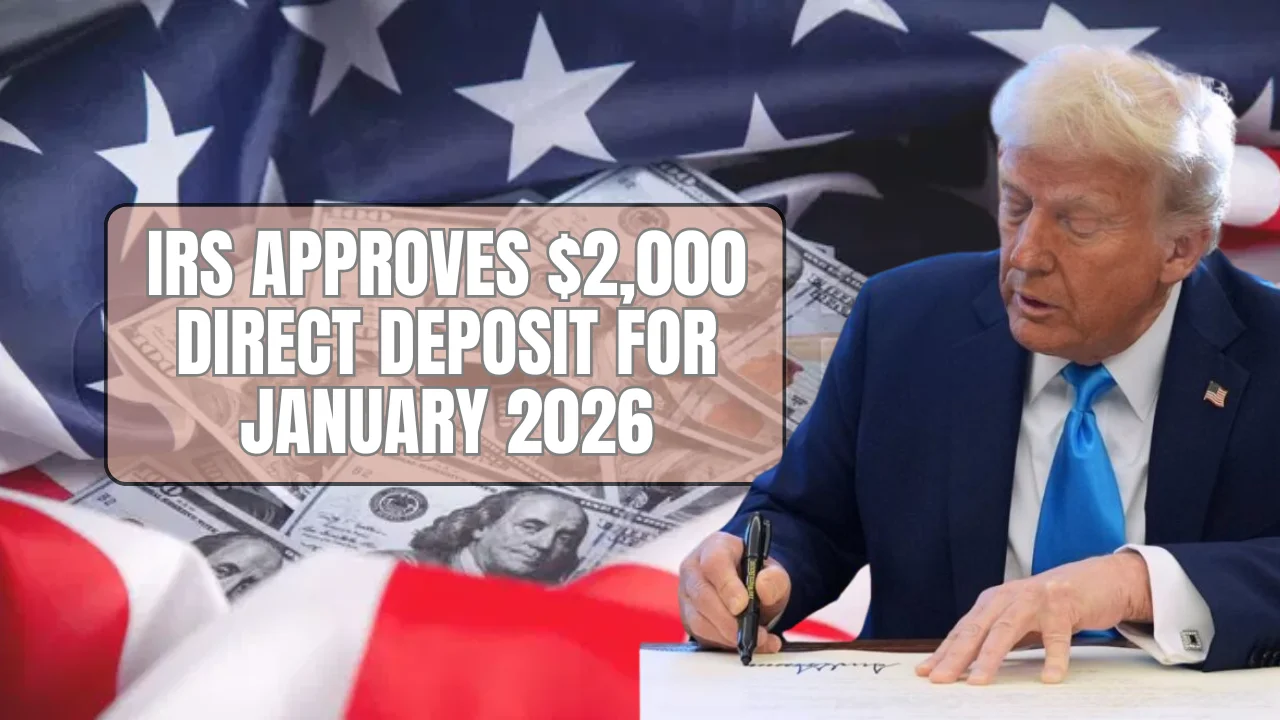
$2,000 Deposits December 2025: The possibility of $2,000 Deposits December 2025 landing in the bank accounts of millions of Americans is creating a major buzz across the country. With rising costs and economic pressure on low- to middle-income households, the idea of a one-time relief payment could not come at a better time. From heating bills to holiday shopping, December is one of the most financially challenging months, especially for families relying on fixed incomes.
So what is actually happening with the $2,000 Deposits December 2025 proposal? Is it guaranteed, or just another political debate? In this article, we break down everything you need to know. You will find clear answers about who qualifies, how the money might be distributed, when it could arrive, and what steps you should take to be ready. If you are someone receiving Social Security, SSDI, VA benefits, or just navigating tough financial times, this guide will help you understand what to expect and what actions you may need to take.
$2,000 Deposits December 2025: What Is It and Why It Matters
The proposed $2,000 Deposits December 2025 is a federal relief payment currently being discussed in Congress as a way to support Americans facing year-end financial strain. While it has not been officially passed, the proposal has gained strong political traction. It aims to provide a one-time deposit to individuals and families who fall within certain income thresholds, with special consideration for people who rely on federal benefits like Social Security, SSDI, and VA Disability.
This deposit is being seen not only as a financial boost but also as an emotional lifeline for many who deal with overwhelming holiday expenses and increasing costs of living. The payment would serve as a cushion to help people afford essentials like rent, food, medical care, and heating. If passed, this could become one of the most significant short-term relief measures since the last stimulus payments.

Overview Table: $2,000 Deposits December 2025 at a Glance
| Key Detail | Information |
| Payment Amount | $2,000 one-time deposit |
| Payment Month | December 2025 (if approved on time) |
| Current Status | Under Congressional discussion |
| Individual Income Limit | Up to $75,000 |
| Head of Household Income Limit | Up to $112,500 |
| Joint Filers Income Limit | Up to $150,000 |
| Automatic Eligibility Groups | Social Security, SSDI, VA, Railroad Retirement |
| Payment Methods | Direct Deposit, Paper Check, Debit Card |
| Payment Delay Risks | Late approval, outdated information |
| Required Action for Non-Filers | May need to register manually |
Why Support for This Proposal Has Increased
Support for the $2,000 Deposits December 2025 proposal has surged in recent months due to the continued financial strain many Americans are facing. Even though inflation rates have slightly decreased, essential expenses remain high. People are still struggling to pay for groceries, rent, healthcare, and utilities. Winter months make things even harder, with heating costs and year-end medical bills adding pressure.
Lawmakers believe that this one-time payment would provide immediate relief without creating a long-term financial burden on the government. The timing is critical. December is when many industries slow down, temporary jobs end, and bills pile up. This payment could help stabilize households that are just trying to make it through the year. The proposal has both economic logic and political momentum behind it, making it more than just a possibility.
Who could be eligible under this proposal?
Eligibility for the $2,000 Deposits December 2025 is expected to follow a structure similar to earlier federal stimulus programs. Individuals earning up to seventy-five thousand dollars, heads of household earning up to one hundred twelve thousand five hundred dollars, and joint filers with income up to one hundred fifty thousand dollars may qualify for the full amount. Those earning above these thresholds could receive reduced payments.
In addition to income-based eligibility, millions of federal benefit recipients are expected to be included automatically. This includes those receiving:

- Social Security retirement benefits
- Social Security Disability Insurance
- Veterans Affairs disability compensation
- Railroad Retirement benefits
People who did not file taxes last year may need to fill out a short registration form to receive the payment. If the government does not run timely public awareness campaigns, many eligible individuals could miss out simply due to outdated contact or banking information.
How the IRS Could Send Payments
The IRS is expected to handle distribution of the $2,000 Deposits December 2025, using its existing infrastructure from previous stimulus rounds. The fastest method of payment would be direct deposit, which can hit recipients’ bank accounts within hours once released.
However, people without updated banking details might receive a paper check or a prepaid debit card. These alternatives take longer and are more prone to delays. Common problems the IRS has faced in the past include:
- Outdated or closed bank accounts
- Incorrect mailing addresses
- Returned or undelivered checks
To avoid these issues, the IRS may recommend that individuals update their banking and mailing information ahead of time. This small step could make a big difference in how quickly the funds arrive.

The Social and Economic Impact of the December Payment
If the $2,000 Deposits December 2025 goes through, the impact will be felt almost immediately, especially among low- and middle-income households. For many, this payment will cover urgent needs like:
- Rent
- Utility bills
- Medical expenses
- Groceries
- Childcare
This is not just about money in the bank. It is about providing families with peace of mind during a financially heavy season. Reducing financial stress can improve mental health, increase family stability, and even prevent homelessness or missed treatments. Additionally, this payment could stimulate the local economy as recipients spend on everyday essentials and services, especially small businesses in their communities.
What’s Next in Congress
The path to making $2,000 Deposits December 2025 a reality runs through Congress. The proposal will have to pass several stages including:
- Committee hearings
- Review by the Congressional Budget Office
- Debates on amendments
- Final vote
If lawmakers approve the plan by summer 2025, the IRS can begin backend preparations by late August or early September. But if the process is delayed, the deposits might not reach recipients until the very end of December or even January 2026, which would weaken their overall impact.

Timing is everything. Political consensus, funding arrangements, and administrative readiness will determine whether this payment becomes a real support measure or just another missed opportunity.
FAQs
No. The proposal is still under discussion in Congress and has not yet been passed into law.
Those receiving Social Security, SSDI, VA Disability, or Railroad Retirement benefits are expected to receive the payment automatically.
Individuals earning up to $75,000, heads of household up to $112,500, and joint filers up to $150,000 may qualify for the full amount.

The IRS will most likely use direct deposit for faster delivery. Paper checks or debit cards may be used for others.
They may need to submit a simple registration form and ensure their contact and bank information is up to date with the IRS.0