If you are holding on to an old coin jar or pocket change from the 70s, you might want to dig a little deeper. The 1976 Bicentennial Quarter Value Chart has been making waves among collectors recently, with certain rare varieties still surfacing and selling for impressive amounts. What once seemed like regular pocket change could actually be a hidden gem worth hundreds, even thousands of dollars.
The 1976 Bicentennial Quarter Value Chart is not just about numbers; it is about history, rarity, and the thrill of the hunt. With millions of these quarters minted to honor America’s 200th birthday, most are common, but a few rare types stand out due to errors, silver content, and collector interest. In this guide, we will break down the most valuable varieties, show you how to spot them, and give you tips to maximize your finds.
1976 Bicentennial Quarter Value Chart Breakdown
The 1976 Bicentennial Quarter Value Chart includes several key coin types that collectors are still chasing today. These range from silver-clad versions to rare minting errors and proof coins. Knowing what makes a quarter valuable is the first step. Rarity, condition, and specific features such as a double die or off-center strike can turn a simple quarter into a highly valuable collectible. This section will walk you through the main coin types, what to look for, and how their values compare across circulated, uncirculated, and certified grades.
Overview Table: Rare 1976 Bicentennial Quarter Varieties at a Glance
| Key 1976 Bicentennial Quarter Types | What Makes It Valuable |
| 1976-S Silver Proof | 40% silver, mirror-like proof finish |
| 1976-S Double Die Obverse | Noticeable doubling on the obverse features |
| 1976-P Silver Clad Error | Wrong planchet used at the Philadelphia Mint |
| 1976 Off-Center Strike | Design is visibly off-center on the coin |
| 1976-D Regular Strike | Common, but collectible in Mint State grades |
| 1976-S Uncirculated Silver Set | Found only in Mint collector sets |
| 1976-S Clad Proof | High-quality strike but more common |
| 1976 Circulation Strike With Die Crack | Rare minting flaw creates collector demand |
| 1976-P Double Die Reverse | Less common than obverse error but notable |
| 1976 Quarter With Broadstrike Error | Edge missing reeding, adds value |
History of the Bicentennial Quarter
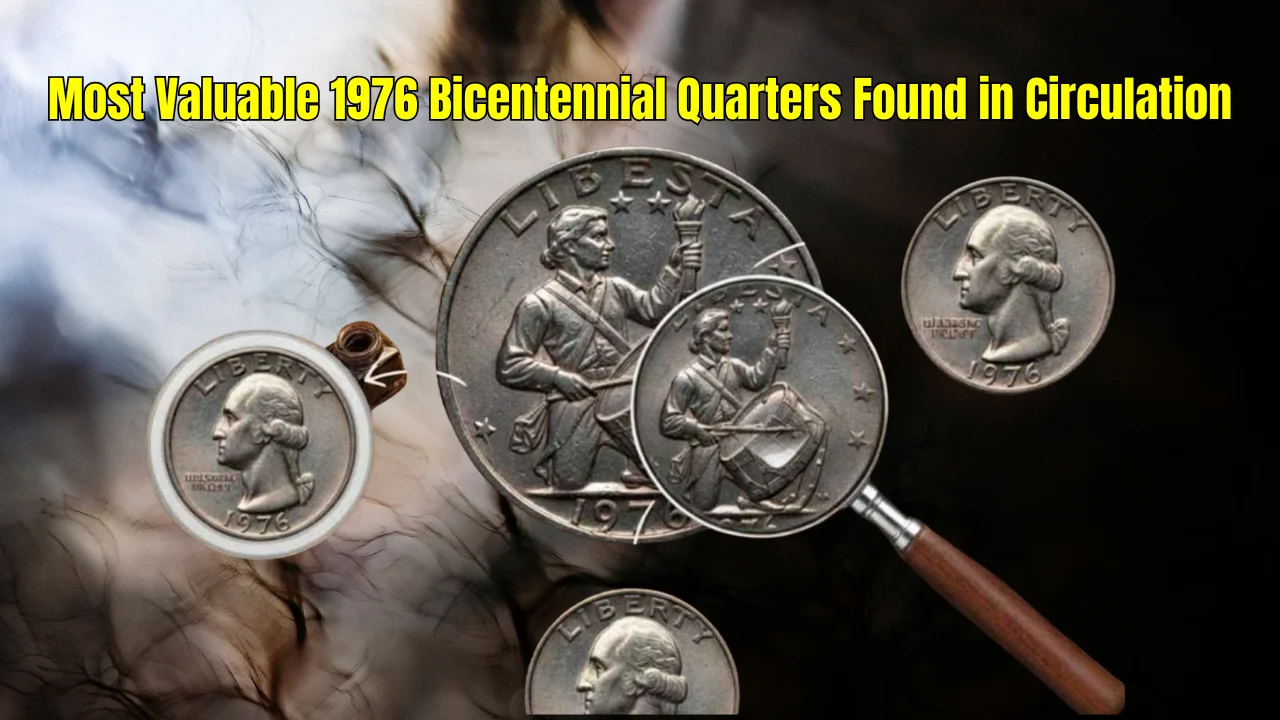
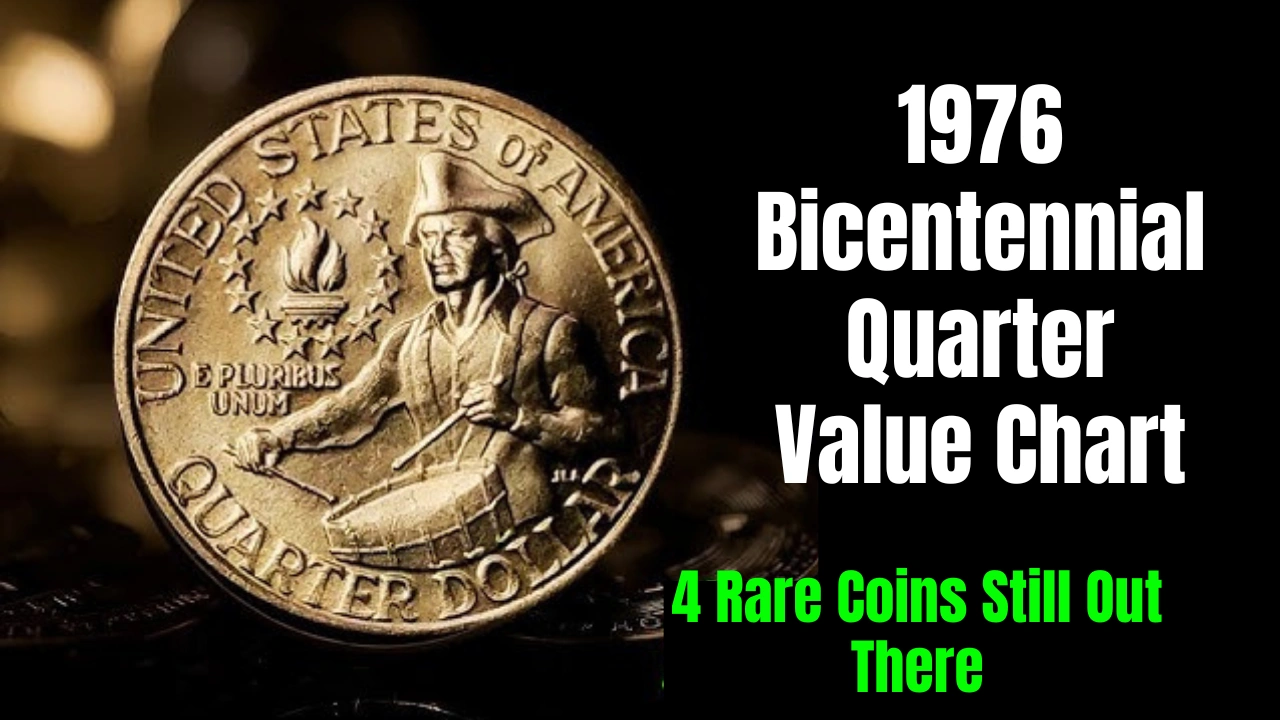
The Bicentennial quarter holds a special place in American coinage. In celebration of the country’s 200th anniversary, the U.S. Mint released a special design that replaced the standard eagle on the back with a colonial drummer, created by artist Jack L. Ahr. This redesign was featured on quarters minted in both 1975 and 1976, but all coins bear the dual date “1776–1976.”
These coins were issued in various formats including circulation strikes, uncirculated Mint sets, and proof sets. While most are very common, collectors prize certain versions for their silver content, proof quality, or production errors. These are the varieties that make the 1976 Bicentennial Quarter Value Chart especially interesting to explore.
Factors That Affect Bicentennial Quarter Value
Not all Bicentennial quarters are created equal. Their value depends on a few important factors that every collector should understand. First is condition. A coin in uncirculated or Mint State condition is always more desirable than a worn, circulated one. Coins that have been well-preserved can sell for several times their face value.
Next is rarity. Some 1976 quarters were made in silver, others with unique mint errors such as double dies or off-center strikes. These rare types are harder to find and usually sell for a premium. Another factor is market demand. A coin may be rare, but if there is no strong interest from collectors, it may not fetch a high price. The 1976 Bicentennial Quarter Value Chart gives a good benchmark, but values can fluctuate with trends and demand.
Rare 1976 Bicentennial Quarters to Watch For
- 1976-S Silver Proof Quarter
Minted in 40 percent silver, this proof coin was included only in special collector sets. These coins have a sharp, mirror-like finish and stand out due to their heavier weight and brighter shine. They are highly collectible, especially when graded above MS67. - 1976-S Double Die Obverse
This rare mint error displays doubling on the obverse, especially noticeable on the date and inscriptions. If you spot one with clear doubling, you might be holding a coin worth several hundred dollars, especially in high-grade condition. - 1976-P Silver Clad Error
This is one of the rarest types. Some quarters minted in Philadelphia were accidentally struck on silver planchets meant for San Francisco proof coins. Because the Philadelphia Mint did not produce silver quarters, these errors are extremely valuable. - 1976 Bicentennial Quarter with Off-Center Strike
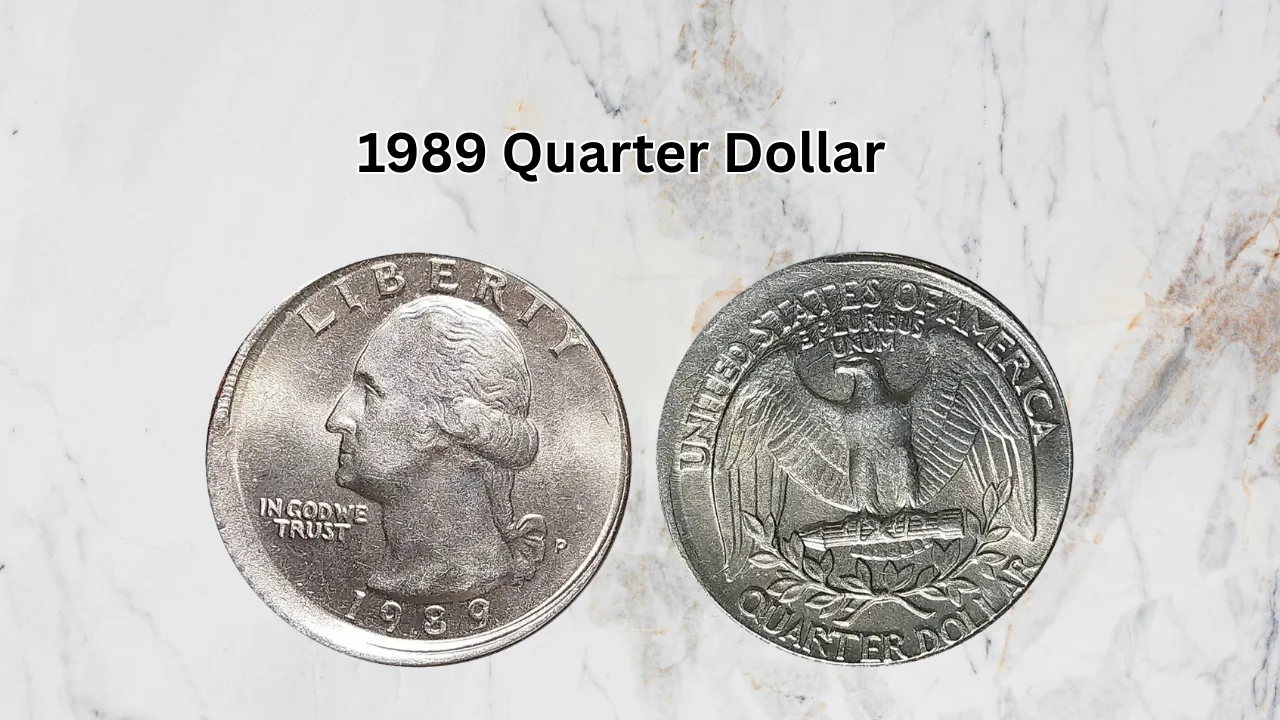
Off-center strike errors are visually obvious and highly collectible. The design is shifted from the center, often leaving part of the coin blank. The more extreme the misalignment, the higher the value, especially when the date is still visible.
How to Identify Valuable 1976 Quarters
Finding a rare 1976 quarter starts with knowing what to look for. Begin by checking the mint mark, usually located on the front near Washington’s ponytail. A small “S” indicates a San Francisco coin, which could be a silver proof or collector edition. Silver coins weigh slightly more than standard quarters and have a different ring when dropped gently on a hard surface.
Next, look closely at the date and lettering. Use a magnifying glass to spot doubling or design flaws. A double die will show clear doubling in the text or numbers. For off-center strikes, the image will appear shifted or incomplete. If your coin looks unusual or in pristine condition, consider having it graded by a professional service like PCGS or NGC. Certified coins carry higher value and are easier to sell.
Tips for Collectors
- Store your coins in protective holders or original Mint packaging to avoid scratches or tarnish.
- Handle coins by the edges only and avoid touching the faces with bare hands.
- Stay informed with the latest coin news, auctions, and updated 1976 Bicentennial Quarter Value Chart entries.
- Reference online databases or collector communities for real-time market values.
- When in doubt, consult a certified appraiser before selling or trading rare coins.
FAQs
Q1: Are all 1976 Bicentennial quarters valuable?
No, most are common. However, rare types like silver proofs or mint errors can be worth hundreds or more.
Q2: How can I tell if my Bicentennial quarter is silver?
Silver quarters will have an “S” mint mark and weigh more. They also have a different sound when dropped.
Q3: What does a double die look like?
A double die shows clear doubling of letters or numbers on the coin. You may see two outlines instead of one.
Q4: Is it worth getting a 1976 quarter graded?
Yes, if you suspect it is a rare variety or in Mint State condition. Grading increases the coin’s credibility and value.
Q5: Where can I sell a rare Bicentennial quarter?
You can sell through coin dealers, auctions, online marketplaces, or collector forums. Certified coins sell faster and for more.