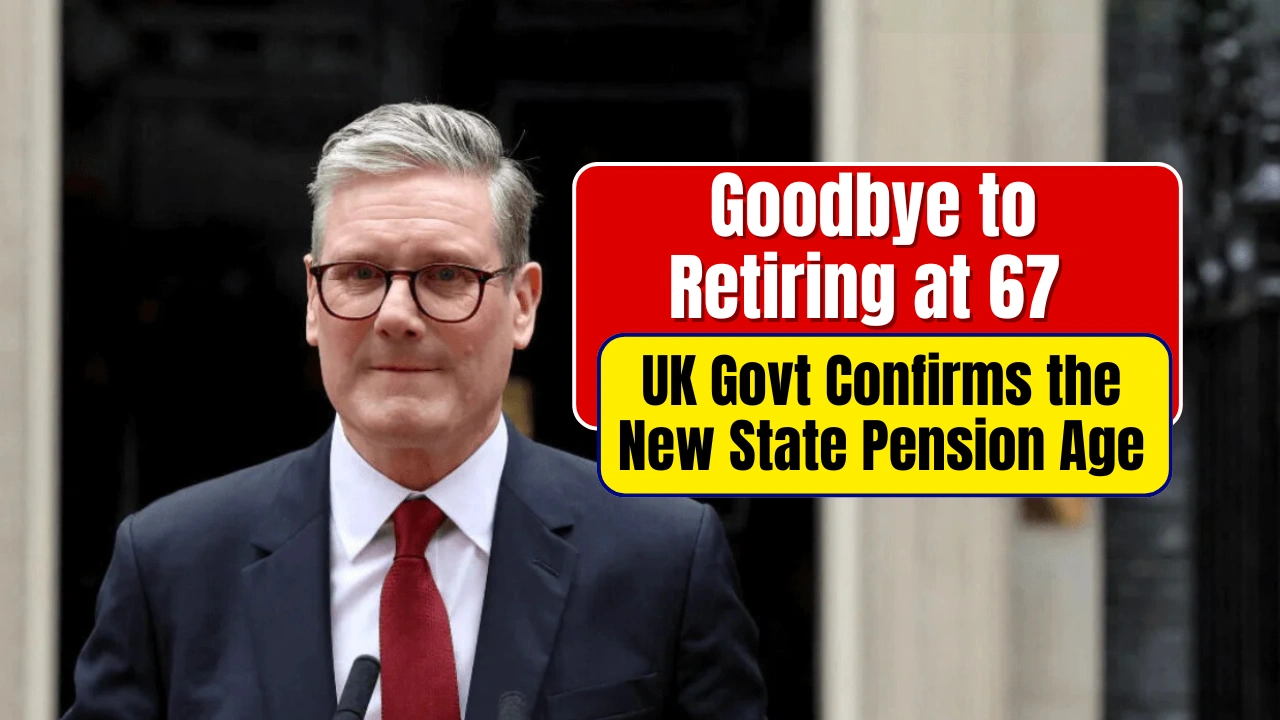
The new State Pension Age is officially changing, and it is no longer a safe bet to assume retirement at 67 in the UK. With recent updates confirmed by the government, retirement plans for millions of workers will need a serious re-think. If you are in your 30s, 40s, or early 50s, this change might directly affect when you can stop working and start collecting your pension.
In this blog post, we will break down everything you need to know about the new State Pension Age. From who is affected to why these changes are happening, you will get a clear picture of what to expect, how it might change your retirement timeline, and what you can do now to stay ahead. The age of guaranteed retirement at 67 is fading, and it is time to prepare.
New State Pension Age: What it Means and Why it Matters
The new State Pension Age is shifting away from the old model where retirement was fixed at 67. Now, the government is moving toward a flexible system that will be reviewed every five years. The idea is to tie the pension age more closely to life expectancy, workforce trends, and financial sustainability. If you were born after April 1970, you may end up retiring at 68 much sooner than originally planned.
This move comes as people are living longer and drawing their pensions for 20 to 25 years or more. At the same time, the number of working-age taxpayers is not growing fast enough to fund these longer retirements. The result is pressure on the state pension system, forcing the government to adapt. While the change might feel frustrating, especially for younger workers, it is designed to keep the system fair and sustainable in the years ahead.
Overview Table: New State Pension Age at a Glance
| Key Point | Details |
| Current Retirement Age | 66 to 67 based on year of birth |
| Confirmed Government Change | Retirement age will rise to 68 sooner than planned |
| Who is Affected | Mostly those born after April 1970 |
| Who is Not Affected | Individuals born before April 1960 |
| New Timeline Estimate | Likely to reach age 68 by the late 2030s |
| Review Cycle for Changes | Every 5 years |
| Reason for Change | Longer life expectancy and pension cost pressures |
| Role of Triple Lock | Makes pensions more generous and costly |
| Impact on Retirement Planning | Need for stronger focus on personal and workplace pensions |
| Long-Term Future Possibilities | Potential retirement age rise to 69 or 70 for younger generations |
Why the Retirement Age Can No Longer Stay at 67
The current pension model was built decades ago when people had shorter lifespans. Back then, retiring at 65 and drawing a pension for maybe 10 to 15 years worked. Today, that picture has changed. Many people live into their 80s or 90s, drawing pensions for over two decades. That is a huge cost for the government to manage.
On top of that, the number of younger, working taxpayers who fund the pensions is not keeping pace with the number of retirees. Add in the rising costs from the Triple Lock policy, and the financial pressure is clear. The government says keeping the retirement age at 67 would not be fair or sustainable for future generations.

Birth Years Most Likely to See a Change
People often ask, will my retirement age change? The answer depends on when you were born. According to the latest review, here is what we know:
- If you were born before April 1960, nothing changes. Your retirement age stays the same at either 66 or 67.
- If you were born between April 1960 and April 1970, you might see minor changes, but most in this group will still retire around age 67.
- If you were born after April 1970, you are the most affected. The government is likely to move your retirement age to 68 sooner, potentially by the late 2030s.
The government has also stated that these changes will be reviewed every five years, which means more updates could come in the future.
How the New State Pension Age Will Be Decided
The government is not setting the pension age in stone anymore. Instead, there will be a rolling review every five years. These reviews will include data from multiple sources like:
- Current and future life expectancy
- Workforce size and participation
- National finances and pension affordability
- Expert opinions from actuaries and financial analysts
This model gives the system flexibility. Instead of waiting decades to make a change, the government can now make gradual adjustments, which helps avoid sudden shocks to retirement plans.
Why Younger Generations Will Feel the Biggest Impact
If you are in your 30s or 40s, you should be paying close attention. The new State Pension Age is going to affect your generation the most. You still have many years of work ahead, and your timeline allows the government to adjust policies without disrupting people too close to retirement.
That means you might have to work longer than your parents or grandparents did. While this seems unfair at first, it reflects longer life spans and a shifting economy. The key takeaway is that you cannot rely on the State Pension alone. Personal savings and private pensions will become essential to retiring comfortably.

What This Means for Your Retirement Planning
With the new State Pension Age rising, retirement planning needs a fresh approach. If you are under 55, here are some things to keep in mind:
- Do not assume you will retire at 67 anymore.
- Expect age 68 to be the new norm, possibly sooner than expected.
- Workplace pensions and private savings will need to do more heavy lifting.
- The Triple Lock will still provide value, but future changes may affect its strength.
- Consider checking your pension forecast and increasing your contributions if possible.
Planning ahead now can prevent big financial gaps later in life.
Why the Triple Lock Has Made SPA Changes More Likely
The Triple Lock is a policy that increases the State Pension each year based on the highest of inflation, wage growth, or 2.5 percent. This is good news for current pensioners, but it comes at a cost. As the economy changes, especially during periods of high inflation or wage growth, these pension rises become expensive.
To manage this cost, one of the only tools left is raising the age at which people can start claiming their pension. That is where the new State Pension Age comes in. If pension payouts keep rising, retirement age has to rise too to keep things balanced.
Public Reactions Across the UK
Not surprisingly, reactions to the pension age changes have been mixed. People who are already retired or close to retirement feel relieved that their plans will not be disrupted. Those in their 40s and 50s are feeling uncertain, especially since they may have limited time to adjust their savings.
Younger workers, on the other hand, are more frustrated. Many feel like they are being asked to work longer than previous generations. Unions have also voiced concerns, especially for workers in physically demanding jobs. However, some economists point out that this shift puts the UK in line with other countries facing similar challenges.

How Long You Will Draw Your Pension Under the New Rules
In the past, retirement might have lasted 10 to 15 years. Now, it can last 25 years or more. This extended retirement puts a lot of pressure on public funds. The goal of raising the new State Pension Age is to reduce the number of years that the government must provide support, keeping the system viable.
The plan is not about cutting pensions but about keeping a fair balance between how long people work and how long they receive benefits. Gradual increases help avoid sudden changes while still protecting the system for future retirees.
Impact on Workplace Pensions and Auto-Enrolment
As the state pension shifts, workplace pensions and auto-enrolment become even more important. Workers might need to:
- Stay enrolled in pension schemes for longer
- Boost their personal contributions to meet future goals
- Push for more employer support and flexible retirement options
The structure of UK pensions is evolving. Employers and employees alike will need to adapt to the new landscape.
What Experts Predict for the Future
Pension experts believe we are only seeing the beginning of these changes. Based on current trends, they expect:
- The new State Pension Age could rise to 69 or even 70 in the future
- The Triple Lock may be modified to control spending
- Retirement will become more flexible and tailored to individual financial situations
While these are forecasts, the message is clear: the earlier you prepare, the better.

What You Should Do Right Now
If you want to stay ahead of the curve, here are simple steps to take:
- Check your State Pension forecast online
- Increase your pension contributions if you can
- Start planning with a retirement age of 68 or higher in mind
- Talk to a financial adviser if you need help
- Keep track of government reviews every five years
Preparation now means less worry later.
FAQs
1. What is the new State Pension Age?
The UK government plans to increase the State Pension Age to 68 earlier than expected, especially for people born after April 1970.
2. Who is affected by the pension age change?
Anyone born after April 1970 will likely be affected and may have to retire at age 68 instead of 67.
3. Will the pension age rise again in the future?
Yes, it is possible that the age could rise beyond 68 depending on life expectancy and financial conditions.
4. What happens if I was born before 1960?
You will not be affected by the new changes. Your retirement age will stay at 66 or 67 based on your birth year.

5. How can I prepare for these changes?
Start saving more in your workplace or private pension, and plan your finances assuming a later retirement age.