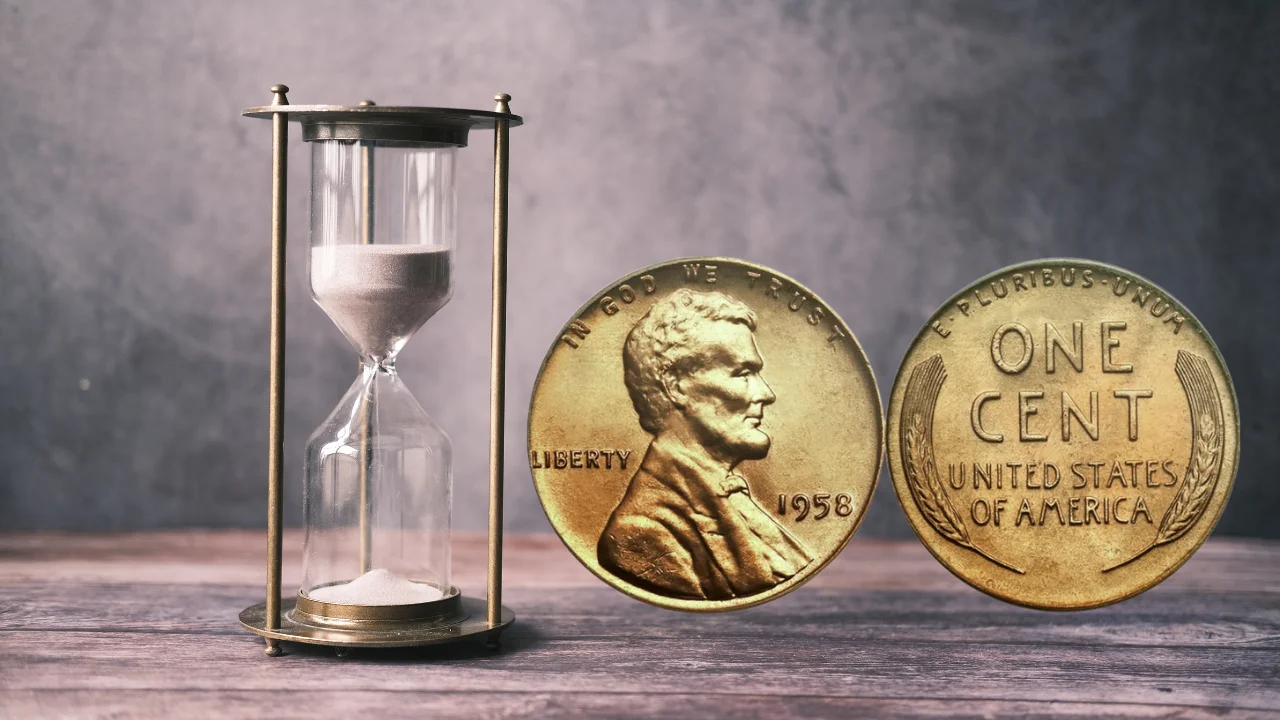
Rare Roosevelt Dimes and Wheat Pennies: If you have a jar of old coins sitting in a drawer, now might be the perfect time to take a closer look. Rare Roosevelt Dimes and Wheat Pennies are making headlines in 2025, with some coins quietly trading hands for thousands of dollars. What once seemed like pocket change could now be the surprise boost your wallet needs.
Collectors around the world, including right here in New Zealand, are hunting down Rare Roosevelt Dimes and Wheat Pennies tucked away in old travel wallets, family collections, or even estate sales. As demand heats up globally, certain date and mintmark combinations are becoming hot commodities. In this post, we will walk through which coins to watch out for, how to identify them, and why they are more valuable today than ever before.
Rare Roosevelt Dimes and Wheat Pennies: What Makes These Coins So Valuable?
Not all old coins are worth a fortune, but the right Rare Roosevelt Dimes and Wheat Pennies can bring in big money in 2025. Collectors look for very specific traits: low mintages, historical errors, original metal content, and most importantly, great condition. A coin’s value can jump significantly if it is uncirculated or has never been cleaned. These are not just coins; they are pieces of history with a market willing to pay top dollar.
The rise in online auction platforms has made it easier than ever to sell a valuable coin from anywhere, including New Zealand. Whether it is a 1943 copper penny or a 1965 silver dime, serious buyers are watching. If you have a coin with a unique backstory or a mint error, it might be time to dig it out. In the next section, you will get a clear overview of ten of the most valuable Roosevelt dimes and wheat pennies you should be looking for.
Overview Table
| Coin Name | Key Feature or Reason for Value |
| 1949‑S Roosevelt Dime | Low mintage and high-grade value |
| 1955 Roosevelt Dime | Lower production, good value in top condition |
| 1964 Roosevelt Dime | Final silver year, premium in perfect shape |
| 1965 Silver Planchet Dime | Wrong metal error, extremely rare |
| 1982 No-Mintmark Dime | Missing mintmark, valuable in near-mint state |
| 1909‑S VDB Wheat Penny | First Lincoln cent, rare initials on reverse |
| 1914‑D Wheat Penny | Scarce date and mint combo |
| 1922 No‑D Wheat Penny | Mintmark error due to die wear |
| 1943 Copper Wheat Penny | Accidental copper strike during wartime |
| 1955 Doubled‑Die Wheat Penny | Strong doubling on lettering, highly prized |
Roosevelt dimes to watch in 2025
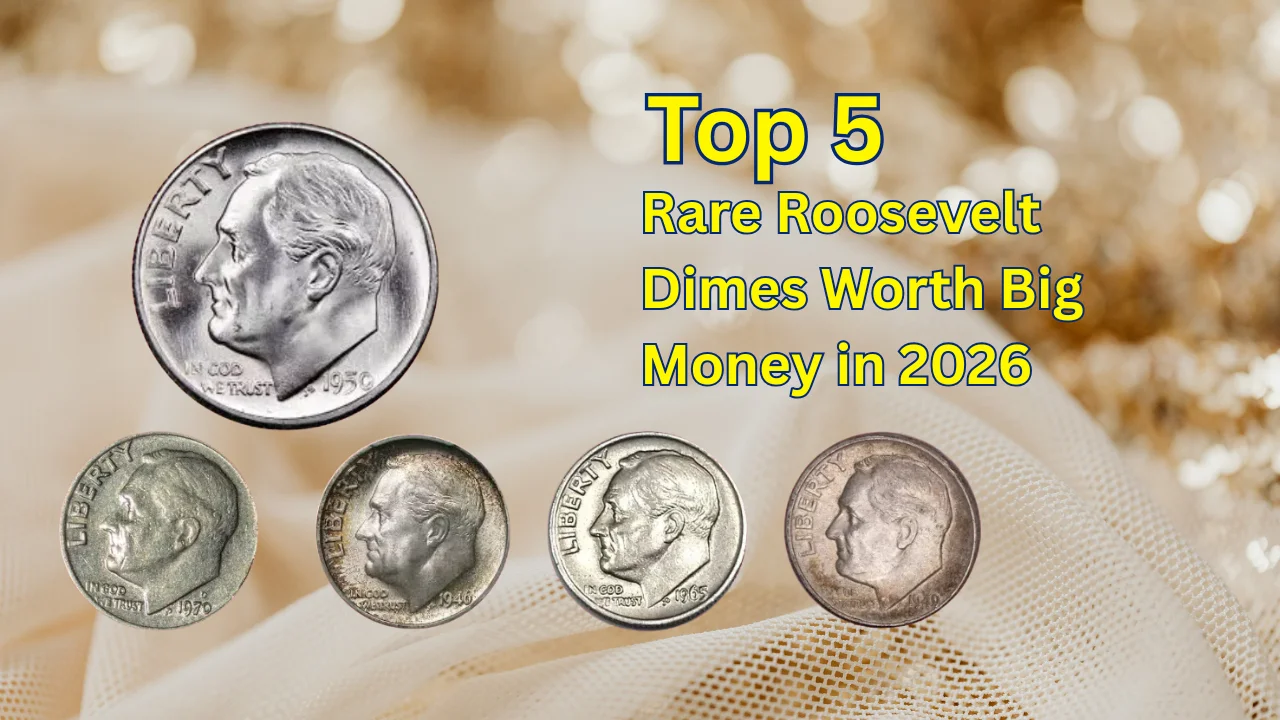
The Roosevelt dime series has its share of sleeper coins that are now in demand. The 1949‑S dime is one of them. Minted in San Francisco, it is not just rare but also tough to find in excellent condition. Collectors will pay a premium for coins with sharp details and original luster. Prices range widely, but even lower-grade coins can sell above silver melt value.
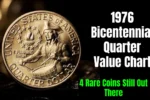
The 1955 dime from Philadelphia is another coin gaining attention. It had a relatively small production run and remains under pressure from collector demand. While not all of these coins will bring in thousands, uncirculated examples can still fetch a few hundred dollars. For New Zealand collectors, these can often be found in silver coin lots picked up from estate clearances.
The 1964 silver Roosevelt dime, the last of its kind before the switch to copper-nickel, is very common in circulated condition. But if you manage to find a flawless example, especially one graded with full torch bands, it could cross the NZD 2,000 mark. That makes it a top contender for watchlists in 2025.
The rarest dime in this series might be the 1965 error coin struck on a leftover silver planchet from the previous year. These weigh slightly more than the regular 1965 dimes and can be easily identified with a digital scale. If you find one, you might be holding a coin worth over NZD 10,000.
Do not forget the 1982 no-mintmark dime. This coin, intended to have a “P” mintmark, left the Philadelphia Mint without it. These are not valuable in worn condition, but in near-perfect state, they can reach into the low thousands.
Wheat pennies still pulling strong bids
Lincoln wheat cents are no strangers to collectors, and the right date can mean big value. The 1909‑S VDB is a standout. It was the first year of the Lincoln penny and was struck in San Francisco with the designer’s initials on the back. Due to backlash at the time, only a small number were made before the initials were removed. That makes it extremely collectible and very valuable if genuine.
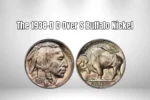
The 1914‑D penny from Denver has become another prize find. It had a modest mintage, and most ended up heavily circulated. If you come across one in solid condition, especially one that is authenticated, it could bring in a few thousand dollars.
Next on the list is the 1922 no-D wheat penny. All 1922 cents were supposed to have a “D” mintmark from Denver. However, a few slipped through with no visible mintmark due to worn dies. These are highly desirable and often bring in thousands, especially when they show clear detail on Lincoln’s portrait.
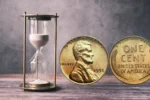
One of the most talked-about coins of all time is the 1943 copper wheat penny. These were supposed to be made from zinc-coated steel during the war to save copper. But a few copper planchets were mistakenly used. If you find one that does not stick to a magnet and has a 1943 date, it could be worth well over NZD 20,000.
Rounding out the list is the 1955 doubled-die penny. This is a striking error where the date and inscriptions are clearly doubled. It is very easy to identify, and because of its bold visual appearance, it remains one of the most collected error coins in the hobby.
How a kiwi can check their change like a pro
If you are in New Zealand and want to check your coins for value, you do not need expensive tools. A well-lit space, a magnifying glass, and a smartphone camera will do the job. A digital scale is helpful if you want to check coin weights, especially to spot silver planchet errors. Use a magnet to test any 1943 penny. If it sticks, it is steel. If it does not, it could be one of the rare copper versions.
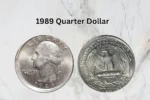
Spread your coins out, and begin by looking at the dates. Then check for mintmarks, odd textures, or doubling on the numbers and letters. Never clean your coins, as doing so can strip away valuable surfaces and drop their value significantly.
For those who find something unusual, compare it to verified reference images from trusted numismatic websites. If it still looks like a match, consider getting it graded by a professional service. Graded coins sell for more and are trusted by buyers.
Beyond the quick win: building a small coin hobby
Many people start their journey hoping to find a valuable coin, but end up enjoying the hobby itself. Rare Roosevelt Dimes and Wheat Pennies offer a fascinating link to history and the past. They reflect war, design changes, minting errors, and even cultural shifts.
Coin collecting can become a rewarding pastime that mixes education, history, and a bit of treasure hunting. For New Zealanders, this also opens the door to learning about local coinage—from Waitangi crowns to early decimal issues. It can even be a fun way to get younger generations involved in something beyond screens.
Starting small, recording your purchases and finds, and learning from trusted sources will help you build a valuable and enjoyable collection over time.
FAQs
Look for 1949‑S, 1955, 1964 in high condition, 1965 silver planchet error, and 1982 no-mintmark dimes.
Check the date and mintmark. Key dates include 1909‑S VDB, 1914‑D, 1922 no-D, 1943 copper, and 1955 doubled-die.
Yes, online platforms like eBay or specialist coin auction sites allow New Zealand sellers to reach global buyers.
No. Cleaning coins often damages the surface and reduces their value. Always leave them as-is.
Use professional grading services like PCGS or NGC. They offer authentication and grading that buyers trust.