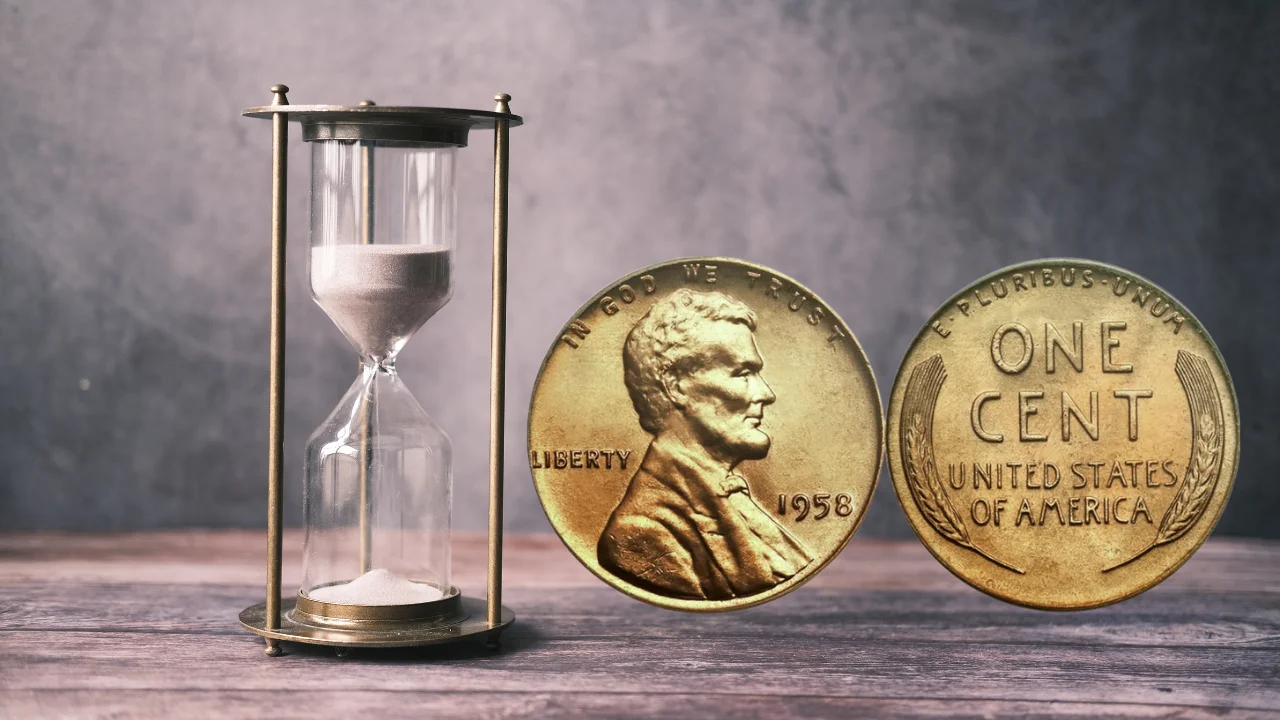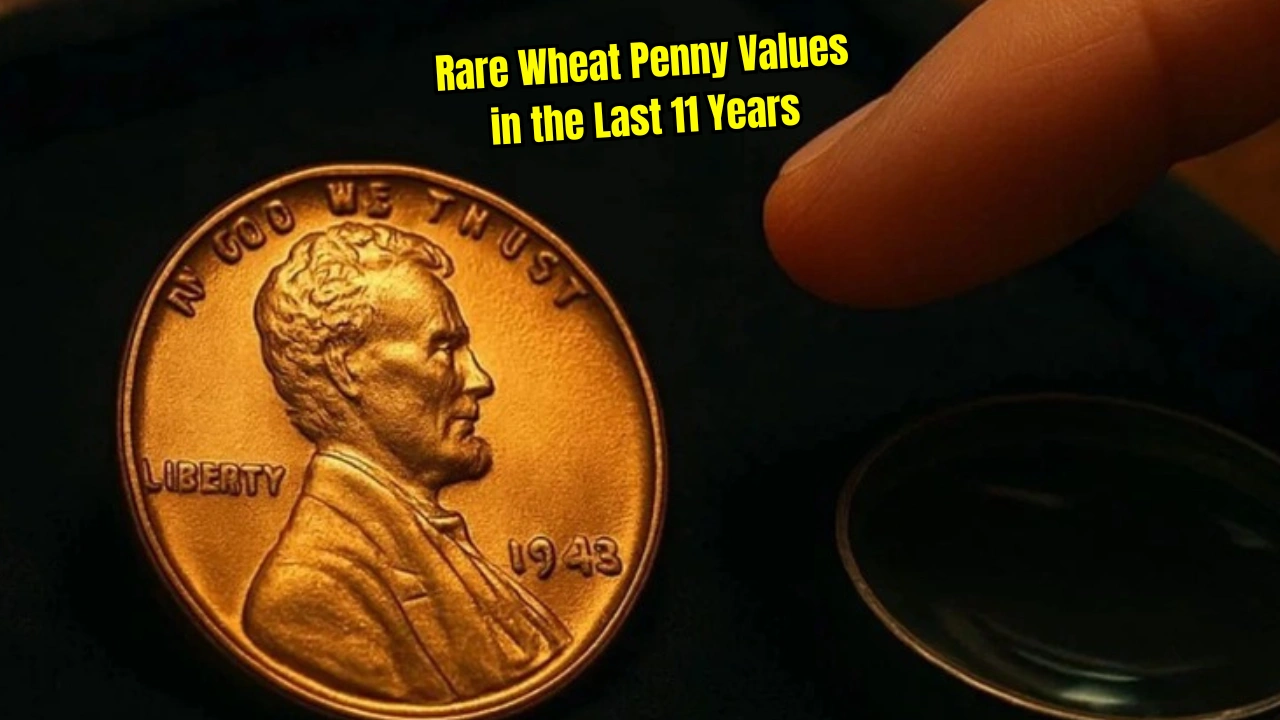
If you have ever come across an old penny with two wheat stalks on the back, you may have held a piece of American history in your hand. These classic Lincoln Wheat pennies, minted from 1909 to 1958, are more than just pocket change. They have become a cornerstone in the world of coin collecting, and for good reason. Their simple design, historical significance, and unexpected value make them both nostalgic and potentially profitable.
Over the past decade, rare Wheat penny values have seen a noticeable rise, driven by collector demand, market trends, and a surge of interest in vintage U.S. coins. Whether you are a long-time collector or just discovered a few Wheat pennies in an old jar, understanding the current market and knowing which coins are worth more than face value can be an exciting and rewarding experience. In this article, we will explore how values have changed in the last 11 years, what makes certain Wheat pennies rare, and what collectors should watch for today.
Rare Wheat Penny Values: Why They Still Matter in Today’s Market
In the world of coin collecting, rare Wheat penny values continue to hold strong. Even as newer coins gain attention, classic Lincoln cents remain highly sought after by collectors and investors alike. The key to their value lies in several factors including mintage numbers, historical relevance, mint errors, and overall condition. Coins like the 1909-S VDB or the 1943 bronze cent have become legendary for their rarity and soaring auction prices. As more collectors enter the market, demand for high-grade and error Wheat pennies has only intensified. Keeping up with these trends can help you recognize undervalued coins and avoid common pitfalls when buying or selling.
Overview Table: Key Details on Rare Wheat Penny Values
| Feature | Description |
| Minting Period | 1909 to 1958 |
| Design Highlights | Lincoln obverse, wheat stalks reverse |
| Most Valuable Coins | 1909-S VDB, 1914-D, 1922 No D, 1943 Bronze, 1955 Double Die Obverse |
| Common Collectible Traits | Key dates, mint marks, high-grade condition |
| Error Coins | Off-center strikes, doubled dies, wrong planchet types |
| Top Influencing Factors | Rarity, demand, condition, grading |
| Market Trends (2014–2025) | Rising prices for key dates and error coins |
| Selling Platforms | Auctions, coin shows, certified dealers, online marketplaces |
| Grading Agencies | PCGS, NGC |
| Value Range | Face value up to $100,000+ for rare examples |
Overview of Wheat Penny Collecting
Wheat pennies are often the first coins collectors come across. Their design is simple yet timeless, featuring Abraham Lincoln on the front and two wheat stalks on the reverse. These pennies were introduced in 1909 to mark Lincoln’s 100th birthday and were minted until 1958. Today, they serve as both a historical collectible and an entry point into more serious coin collecting.
Many people discover Wheat pennies in old coin jars, inherited collections, or even in circulation. What makes them appealing is the thrill of uncovering a rare variety among otherwise common coins. Some collectors focus on building complete date and mint mark sets, while others chase after high-value errors or certified high-grade examples. The flexibility and accessibility of Wheat penny collecting make it a lasting hobby.
Factors Driving Wheat Penny Values
There are several reasons why rare Wheat penny values have increased over the last 11 years. Rarity is the biggest driver. Coins with low mintage numbers or unique varieties are naturally more valuable. For example, the 1909-S VDB had a limited production run, making it one of the most sought-after in the series.
Condition also plays a crucial role. A coin in mint state, especially one with original luster and no signs of wear, will always attract higher bids than a worn example, even if both are the same date. Professional grading has become more common, helping collectors and sellers establish accurate market value.
Mint errors have taken the spotlight in recent years. Collectors pay top dollar for double dies, off-center strikes, or coins made from the wrong planchet. Combine any of these factors with strong collector demand, and you get a market where rare Wheat pennies continue to gain value.
Wheat Penny Values Over the Past 10 Years – Collector’s Dream Guide
Analyzing the last decade of pricing shows a clear upward trend in rare Wheat penny values. Key-date coins like the 1914-D and the 1931-S have appreciated steadily, especially in uncirculated grades. The legendary 1943 bronze cent and the 1955 double die obverse have hit record prices at major auctions, with some examples selling for well over $100,000.
Even coins from the 1920s and 1930s, which were once considered common, have grown in value when found in mint state. This trend reflects not just the rarity of these coins but also how few high-grade examples remain today. Auction sites and collector forums have made these coins more visible and competitive, raising prices across the board.
Professional certification has also added stability to the market. Coins graded by PCGS or NGC often sell for two or three times more than raw coins of similar quality. Over the past 11 years, this has become the standard for serious buyers and sellers.
Key Rare Wheat Penny Varieties
Several varieties have consistently held top spots in collector demand. The 1909-S VDB, the first year of issue, is one of the most iconic. Only a small number were struck in San Francisco, and those with designer Victor D. Brenner’s initials on the reverse remain highly valuable, especially in mint condition.
The 1914-D is known for its extremely low mintage and is tough to find in high grade. The 1922 No D is another standout, created due to a die polishing error at the Denver Mint. Collectors love it for its uniqueness and scarcity.
Then there is the 1931-S, minted during the Great Depression, which saw limited production and distribution. The 1943 Bronze Penny, a wartime mint error, and the 1955 Double Die Obverse, with dramatic doubling on the date and letters, are some of the most famous error coins in American history.
These coins have not only maintained their value over the past 11 years but have often exceeded previous price expectations.
Tips for Collectors
If you are interested in Wheat pennies, here are a few tips to help you get started or refine your strategy:
Know What to Look For: Learn the key dates and varieties. This knowledge can help you spot valuable coins others might overlook.
Condition is Key: A common Wheat penny in uncirculated condition can be worth more than a rare one in poor shape. Handle coins carefully and consider professional grading for valuable finds.
Verify Authenticity: With higher prices come more fakes. Stick to reputable dealers and grading services to avoid counterfeits.
Focus on Error Coins: Minting mistakes like double dies and off-center strikes are popular with collectors and often bring in higher prices.
Watch the Market: Keep an eye on auction results and online sales. Market values can shift based on collector interest and the availability of high-grade coins.
FAQs
What is the most valuable Wheat penny?
The 1943 bronze cent is considered one of the most valuable Wheat pennies. In recent years, some examples have sold for over $200,000 depending on condition.
How can I tell if my Wheat penny is rare?
Start by checking the date and mint mark. Coins like the 1909-S VDB, 1914-D, and 1955 double die are considered rare. Then evaluate the condition and look for any unusual features.
Should I clean my Wheat pennies?
No. Cleaning a coin can damage its surface and significantly lower its value. It is best to keep it in its original condition and handle it gently.
Where can I sell rare Wheat pennies?
Reputable coin dealers, certified auctions, and trusted online platforms like eBay or Heritage Auctions are good places to sell rare coins, especially if they are graded.
Are all old pennies valuable?
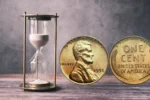
Not all old pennies are worth more than face value. Most Wheat pennies are common, but coins with rare dates, mint marks, errors, or excellent condition can be worth much more.