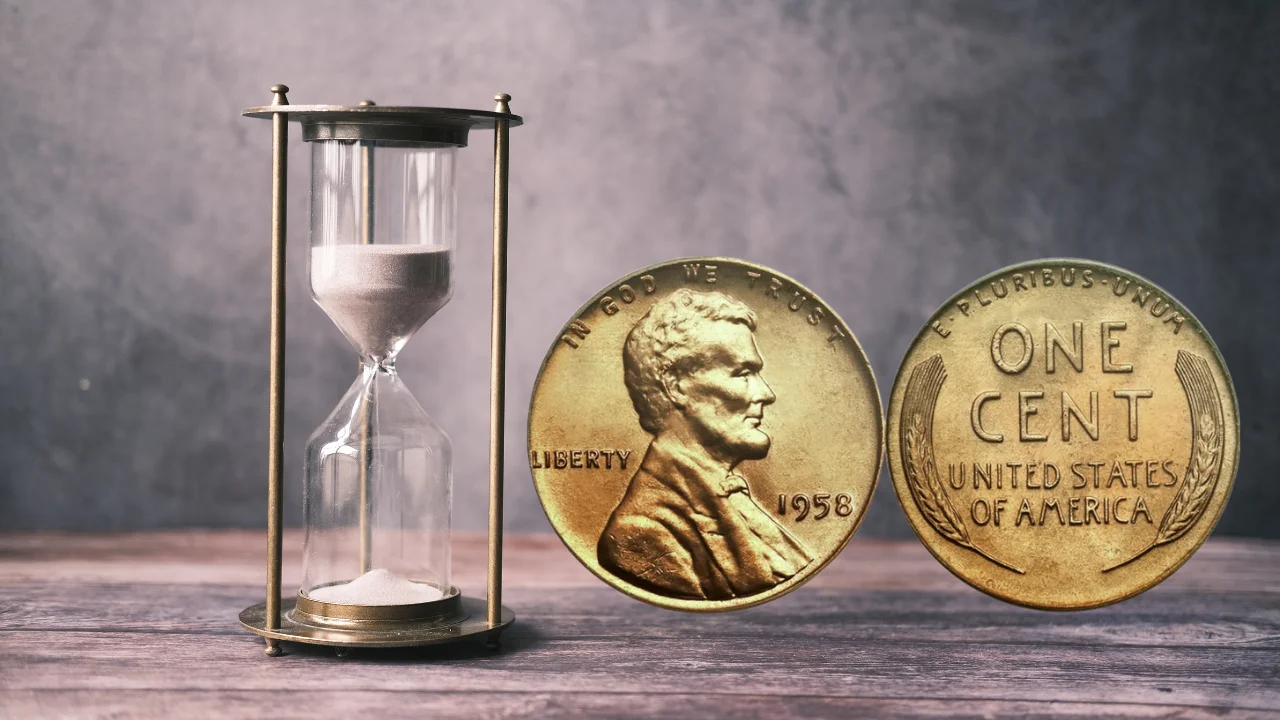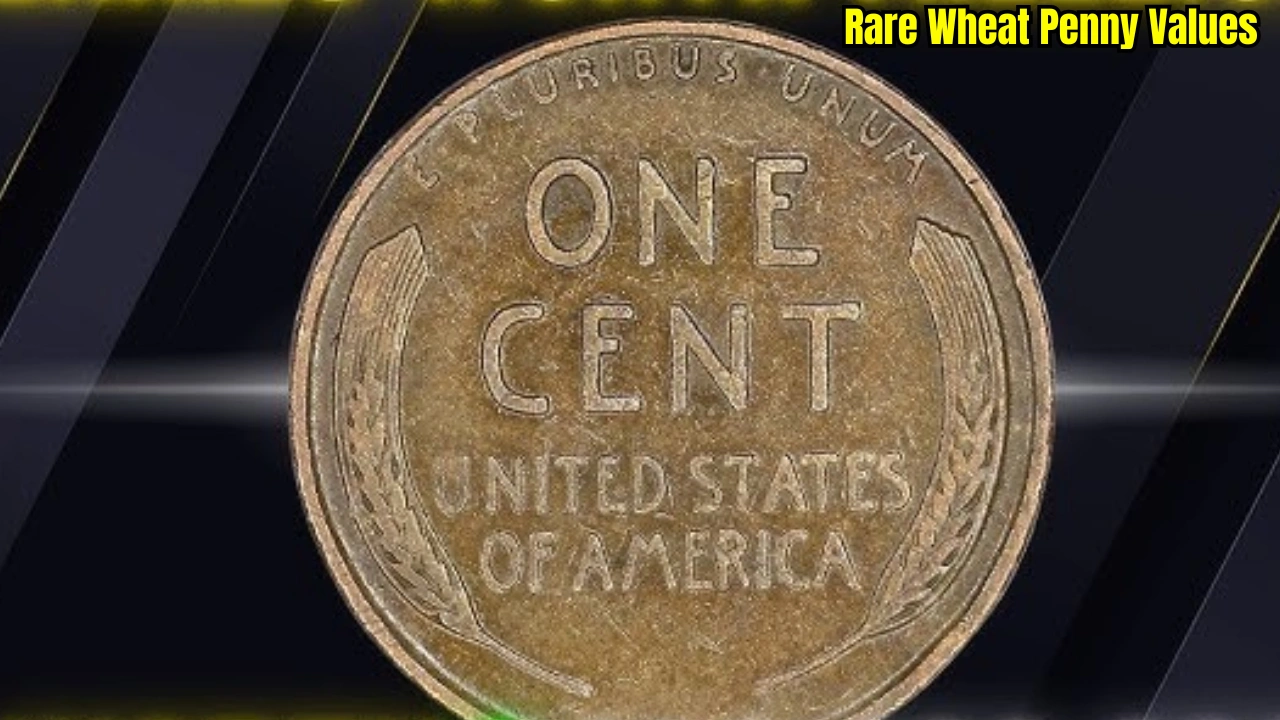
Rare wheat penny values have become one of the most talked-about topics in coin collecting circles. Collectors and casual hobbyists alike are now realizing just how much value might be sitting in their coin jars or tucked away in old family collections. From valuable error coins to low-mintage rarities, wheat pennies are more than just copper coins from the past.
Over the last decade, rare wheat penny values have seen a notable surge, thanks to growing interest in vintage coins and alternative investments. This guide is packed with everything you need to know—from identifying valuable wheat pennies to understanding what drives their worth. Whether you are new to collecting or looking to add key pieces to your portfolio, this article will walk you through it all.
Rare Wheat Penny Values in the Last 11 Years
The last 11 years have seen a massive uptick in interest around rare wheat penny values. More people are entering the hobby due to nostalgia, investment potential, and rising metal prices. Coins once deemed common have now turned into highly sought-after collectibles, especially those with mint errors or unique features. Even complete wheat penny sets have become hot items among collectors.
This increase in demand has led to higher prices for top-condition coins and rare dates. The wheat penny market is more active than ever, with auctions, forums, and social media groups driving discussions and sales. Understanding how to spot the real treasures is key to taking full advantage of this trend.
Overview Table: Notable Wheat Pennies and Their Standout Features
| Wheat Penny | Why It Is Valuable |
| 1909-S VDB | First year of issue with low mintage and designer initials |
| 1914-D | Low mintage from the Denver Mint, hard to find in good grade |
| 1922 No D | Minting error with missing mintmark |
| 1931-S | One of the lowest mintage wheat pennies |
| 1943 Copper | Struck in copper by mistake instead of steel |
| 1955 Doubled Die | One of the most famous error coins |
| 1909 Plain | First wheat penny from Philadelphia, collectible in high grade |
| 1936 Doubled Die Obverse | Popular error coin with strong doubling |
| 1944 Steel | Another minting error, steel used instead of copper |
| Complete 1909–1958 Set | Full sets are highly valued by collectors |
What Makes a Wheat Penny Valuable?
Several key factors influence the value of a wheat penny, and it is not just about the date on the coin. Rarity is the top reason a wheat penny becomes valuable. This includes low mintage years, unusual mintmarks, or error coins that were not supposed to exist. A coin’s condition is another major factor—coins that have barely seen circulation and still show original details will always command a higher price.
Collectors also pay close attention to where the coin was minted. Coins from San Francisco and Denver often hold more value compared to those from Philadelphia. Error varieties like doubled dies or missing mintmarks can increase a penny’s worth dramatically. Even coins from common years can be worth much more if they are in exceptional shape or part of a rare variety.
The Most Valuable Wheat Pennies
Some wheat pennies are legendary in the coin collecting world due to their scarcity and historical significance. One of the most notable is the 1909-S VDB, which marks the first year of the wheat penny and includes the initials of its designer, Victor David Brenner. With under 500,000 minted, finding one in great shape is like striking gold.
The 1914-D is another standout, minted in small quantities in Denver and heavily circulated, making well-preserved examples extremely rare. Then there is the 1922 No D penny, a famous error where the mintmark was never struck. These coins can easily reach thousands of dollars at auction, especially when authenticated and graded by experts.
Rare Varieties and Errors
One of the most exciting aspects of wheat penny collecting is discovering error coins and rare varieties. These mistakes can happen during the minting process and result in highly collectible items. For example, the 1955 Doubled Die shows dramatic doubling on the date and lettering, making it one of the most famous U.S. coin errors.
The 1922 No D penny is another prized error. It was minted in Denver, but due to worn dies, the D mintmark did not appear on many coins. Other well-known error pennies include the 1943 copper penny, mistakenly struck in copper during a year when steel was used, and the 1944 steel penny, which is the reverse of that error. These rare finds can bring in thousands, or even tens of thousands, when sold.
The 11-Year Trend in Wheat Penny Values
Since 2014, interest in rare wheat penny values has been steadily increasing. This trend is not only due to rising collector interest but also to more people treating coins as long-term investments. As digital markets have made rare coins easier to buy and sell, values have responded accordingly.
While earlier wheat pennies from 1909 through the 1930s have always been popular, the last decade has also seen price growth in mid-century issues, especially in high grades. Collectors are paying a premium for coins with original luster and strong strike. Additionally, full sets spanning all years of wheat penny production are selling at higher prices than ever before.
Most Valuable Wheat Pennies
- 1909-S VDB – First-year design with initials, rare and highly collectible.
- 1914-D – Denver mint low production, valuable in all grades.
- 1922 No D – Famous mint error missing the mintmark.
- 1955 Doubled Die – One of the clearest doubled dies in U.S. coinage.
- 1943 Copper – Mistakenly struck on copper instead of steel.
These are just a few of the coins driving the rise in rare wheat penny values today. Each of these coins has a unique story and has proven to hold and grow in value over time.
Tips for Collecting and Valuing Wheat Pennies
If you are new to collecting, or looking to evaluate your existing coins, start by learning how to read coin details like mintmarks and dates. Understanding coin grading is also important—invest in a magnifying glass or microscope and study how professional graders assess wear, luster, and strike quality.
Store your coins in protective holders to avoid damage. Acid-free coin flips or albums help preserve their condition. Avoid cleaning coins, as this can reduce their value. Stay updated with recent auction prices and market trends, especially for popular error varieties or key date coins. Lastly, consider professional grading for your rarest pieces, as this can boost their resale value significantly.
FAQs
1. How do I know if my wheat penny is valuable?
Check the date, mintmark, and look for any unusual features or errors. Coins from low-mintage years or with mint errors are often worth more.
2. What is the most valuable wheat penny ever sold?
The 1943 copper penny is one of the most valuable, with some selling for over $100,000 depending on condition.
3. Can I find valuable wheat pennies in circulation today?
While rare, it is still possible to find wheat pennies in circulation or in old coin jars, especially common dates from the 1940s and 1950s.
4. Should I clean my wheat pennies before selling?
No. Cleaning coins can lower their value. Collectors prefer coins in original, unaltered condition.
5. Where can I sell rare wheat pennies?
You can sell them at coin shows, online marketplaces, or through coin dealers. It is often best to get them professionally graded first for maximum value.